
Picking the right grass seed makes all the difference when you’re trying to grow a lush, healthy lawn here in the New Hampshire Lakes Region. Our seasons swing hard — hot summers, cold winters — and that mix of weather creates its own set of challenges and opportunities for anyone who cares about their yard.
We put this guide together to walk you through how we think about grass seed selection, from prepping the soil to keeping your lawn looking great season after season. Whether you’re a hands-on gardener or just want a yard you’re proud of, you’ll find practical advice here on picking the right seed, getting your ground ready, and keeping everything growing strong. We’ll cover what our climate and soil do to grass, which seed types work best around here, and how to plant and care for a lawn that holds up.
What Makes New Hampshire’s Climate Unique for Growing Grass?
New Hampshire’s climate is its own animal — cool temperatures, four real seasons, and rainfall that’s usually pretty generous throughout the year. We get hot summers and cold winters, and that combination shapes how grass grows and what it needs from you. Once you understand what our climate is doing, getting a lawn established (and keeping it that way) gets a lot easier.
How Do Cool Season Grasses Thrive in New Hampshire?
Cool season grasses — think Kentucky Bluegrass, Fine Fescue, and Perennial Ryegrass — are a natural fit for our climate. They love cooler temperatures and really hit their stride in spring and fall. These grasses shrug off winter and bounce back fast once things warm up, so you get a lawn that stays vibrant most of the year.
What Soil Conditions Should You Know Before Planting?
Before you plant anything, it’s worth getting to know your soil. Things like pH, drainage, and texture all play a big role in whether your grass takes hold. We generally look for a pH between 6.0 and 7.0 — that’s the sweet spot for grass. And you’ll want well-drained soil with a good mix of sand, silt, and clay, since that lets roots dig in properly and helps keep disease at bay.
Which Grass Seed Types Work Best for New Hampshire Lawns?
When we’re helping pick out grass seed for a New Hampshire lawn, we’re always weighing local conditions alongside what you actually want from your yard. The right seed depends on your specific setup — how the lawn gets used, how much sun it sees, and what look you’re going for.
Why Choose Kentucky Bluegrass, Fine Fescue, or Perennial Ryegrass?
Kentucky Bluegrass is a favorite of ours for its rich green color and how well it holds up in the cold. Fine Fescue is our go-to for shady spots. Perennial Ryegrass germinates fast, which makes it great when you need quick results. Each one brings something different to the table depending on sunlight, foot traffic, and how much upkeep you want to put in.
How Do Shade Tolerance and Drought Resistance Affect Seed Selection?
Shade and drought tolerance matter a lot when we’re choosing seed. If your yard has a lot of tree cover, we’ll usually lean toward shade-tolerant options like Fine Fescue to keep things healthy. If your property tends to dry out, a drought-resistant grass will hold its color and keep growing even when things get tough.
How Should You Prepare Your Lawn for Planting Grass Seed in New Hampshire?
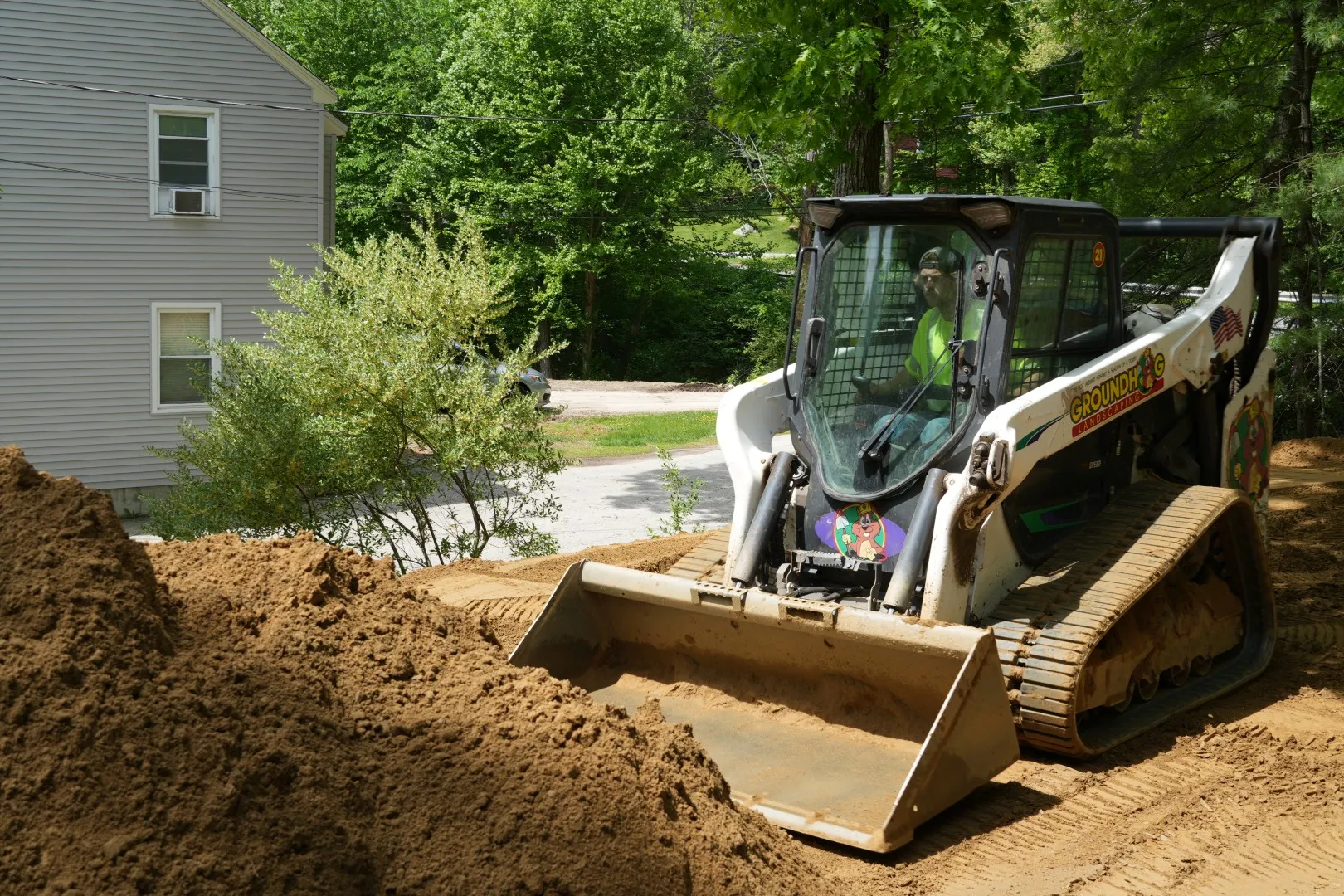
Good prep work sets the stage for strong growth. Before we ever put seed down, we take a close look at the lawn’s current condition and make sure the ground is ready for it.
What Are the Best Steps for Soil Preparation and Seeding?
We recommend testing the soil’s pH, aerating any compacted spots, and working in organic matter to improve the texture. Once the soil’s ready, we pick a grass seed blend suited to your yard’s conditions. From there, it’s all about following the right seeding rate and spreading it evenly so growth comes in uniform.
When Is the Ideal Time to Plant Grass Seed in the Lakes Region?
Timing matters a lot here in the Lakes Region. We usually recommend planting in early spring or early fall — roughly mid-April through early June, and again from late August into September. Temperatures are on your side during those windows, and the extra rainfall helps seeds germinate.
How Can You Sustain a Healthy Lawn With the Right Grass Seed Mix?
Picking the right seed mix is just step one — keeping your lawn healthy for the long haul matters just as much. With the right ongoing care, your lawn can stand up to whatever our environment throws at it.
What Seed Mixes Are Best for Sun, Shade, and New Hampshire’s Climate?
Your ideal seed mix comes down to how much sun your lawn gets. For sunny spots, we like combining Kentucky Bluegrass with Perennial Ryegrass. For shadier areas, a Fine Fescue blend works better. Building a mix around what our climate actually demands is what keeps your lawn looking good.
Why Is Sustainable Lawn Care Important for the New England Environment?
We’re big believers in sustainable lawn care, and it really does make a difference for our corner of New England. It cuts down on chemical runoff, builds healthier soil, and supports more biodiversity in your yard. By leaning on native plant varieties and eco-friendly techniques, we help homeowners build lawns that look great and give back to the local environment.
Choosing grass varieties suited to your specific region isn’t just a nice idea — it’s genuinely one of the best things you can do for a lawn that lasts. Turfgrass research backs this up again and again: local, well-adapted species are simply better equipped to thrive here, which is exactly why we build every recommendation around what actually works in the New Hampshire Lakes Region.
