
Seeding a lawn in New Hampshire can feel tricky once the seasons start to shift, but once you understand the timing, it makes a huge difference in how your lawn looks and grows. In this guide, we’ll walk you through the right time to seed or hydroseed a lawn in New Hampshire so you get the best possible growth. You’ll learn what conditions to look for, the risks and benefits of seeding late in the season, and how to prep your lawn for solid germination. We’ll also show you how hydroseeding can stretch your planting window further than traditional seeding can.
By the time you finish reading, you’ll know exactly how to handle late-season lawn care and get the most out of New Hampshire’s climate when you seed your lawn.
When Is the Best Time to Seed or Hydroseed Your Lawn in New Hampshire?
Timing really matters when you’re seeding or hydroseeding a lawn here in New Hampshire. We generally recommend early spring or early fall, since both seasons give you the best conditions for seeds to germinate and take root. Soil temperatures are just right during these windows, and rainfall keeps things moist enough for new grass to get established.
What Soil Temperatures Signal Ideal Seeding Conditions?
We like to see soil temperatures between 50°F and 65°F for seeding the cool-weather grasses that do best in New Hampshire, like perennial ryegrass and fescue. At these temperatures, seeds germinate quickly and grow in strong. Grab a soil thermometer if you want to check — it’s the easiest way to know you’re planting at the right time.
Grass seed is picky about temperature. Once soil gets too warm, germination slows down and seedlings struggle, which is exactly why we pay close attention to soil temperature before recommending a seeding date.

How Does New Hampshire’s Climate Affect Seeding Windows?
Our cold winters and warm summers here in New Hampshire shape when you can seed successfully. Because the seasons swing so much, your window for effective seeding is shorter than in milder climates. On top of that, microclimates around the state can shift growth cycles from one property to the next. We factor in these regional differences whenever we plan seeding for a lawn, so you get the best possible results.
Can You Successfully Seed or Hydroseed Late in the Season?
Yes, you can seed or hydroseed late in the season, but it’s not without its complications. If you miss the primary window, late summer or early fall can give you a second shot. That said, there are a few things worth thinking through first.
What Are the Risks and Benefits of Late Season Lawn Seeding?
Late-season seeding comes with both risks and benefits.
Risk of Frost: Seed planted late may not have enough time to establish roots before frost hits, which can mean the seeding doesn’t take.
Benefits of Hydroseeding: Hydroseeding late in the season helps hold moisture in place and adds a protective layer that keeps germination going even as temperatures drop.
Knowing these tradeoffs up front helps you decide whether late-season planting makes sense for your yard.
How Does Hydroseeding Extend Your Planting Window Compared to Traditional Methods?
Hydroseeding is a great option for late-season lawn care. We use a mix of seed, fertilizer, and mulch that creates the moist environment seeds need to germinate. Compared to traditional seeding, hydroseeding holds ideal soil conditions longer, so you can plant successfully even as the weather starts to cool.
Keeping soil at a steady temperature matters a lot for grasses like perennial ryegrass, and it’s a big part of why hydroseeding can buy you extra time when the season’s winding down.
How Should You Prepare Your Lawn and Soil for Late Season Seeding?
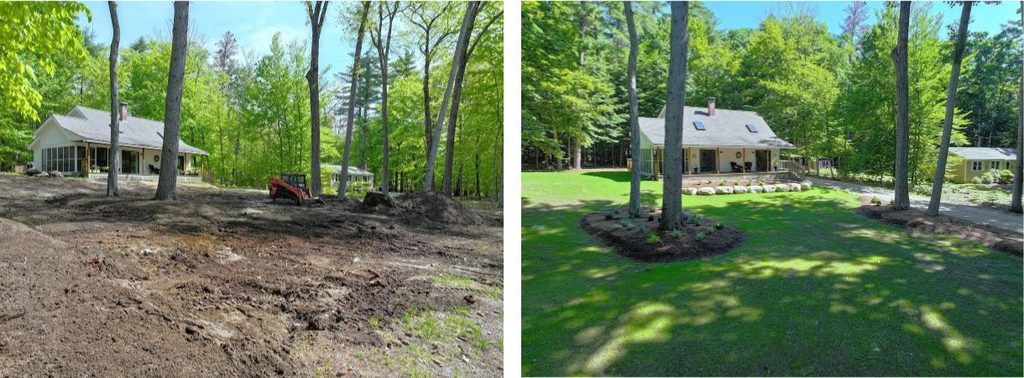
Getting your lawn and soil ready ahead of time makes a real difference for late-season seeding success. A little prep work on soil quality and seed selection goes a long way.
What Step-by-Step Soil Preparation Tips Help Improve Germination?
Test the Soil: We recommend testing your soil’s pH and nutrient levels first. You may need to make some adjustments to get conditions just right.
Aerate the Lawn: Aerating relieves compaction so water and nutrients can reach deeper into the soil.
Apply Quality Soil Amendments: Compost or other organic amendments add nutrients back into the soil and set your lawn up for healthy growth.
Following these steps gives you a much better shot at a lush lawn, even if you’re seeding at the tail end of the season.
Which Grass Types Thrive Best When Seeded Late in the New Hampshire Lakes Region?
A few grass varieties do especially well when planted late here in the Lakes Region:
Perennial Ryegrass: It germinates fast, making it a smart pick when you’re seeding last-minute.
Tall Fescue: This one handles heat and drought well and doesn’t need much upkeep.
Kentucky Bluegrass: It germinates more slowly, but rewards you with a dense, lush lawn, a longtime favorite among our customers.
Picking the right grass type goes a long way toward making late-season seeding pay off.
What Makes Our Hydroseeding Service the Right Choice for Late Lawn Seeding?
Our hydroseeding technology gives you a tailored solution when you need to seed late in the season. With the right practices and an eye for quality, we can meet the specific needs of your New Hampshire lawn.
How Does Advanced Hydroseeding Technology Work for New Hampshire Lawns?
We use our own proprietary mix of seeds, fertilizers, and protective fibers to create a moist environment that supports germination. This mix also helps hold soil moisture and protects seeds from pests and temperature swings, a real advantage when you’re planting late in the season.
What Can You Expect from Our Personalized Seeding Consultations?
We offer personalized consultations to help you choose the best seeding option for your yard and your goals. Our team looks at your lawn’s specific needs, walks you through the benefits of hydroseeding, and builds a custom plan to help your lawn grow in healthy and strong.
With the right timing, prep, and care, seeding. Hydroseeding a lawn in New Hampshire can be a rewarding project, and we’re here to help you end up with a healthy, green lawn that fits right in with the beautiful surroundings.

FAQ
What is the best time to seed or hydroseed a lawn in New Hampshire?
Early spring or early fall offer the best conditions, with soil temperatures and rainfall that support strong germination and root establishment for cool-weather grasses.
What soil temperature works best for seeding cool-weather grasses?
Soil temperatures between 50°F and 65°F give perennial ryegrass and fescue the ideal conditions for quick germination and strong growth. A soil thermometer confirms the right timing.
Does hydroseeding extend the planting window later into the season?
Hydroseeding holds moisture and adds a protective layer that keeps germination going as temperatures drop, extending the planting window further than traditional seeding methods allow.
Conclusion
In the end, timing your seeding or hydroseeding right makes all the difference for a lawn that actually takes hold here in the Lakes Region. New Hampshire’s shifting fall weather doesn’t leave a huge window, so paying attention to soil temps and first frost dates matters more than the calendar page you’re on. When you’re ready to figure out what’s realistic for your yard, we’re happy to walk through it with you and help your lawn start strong.
