
Picking the right natural stone for a landscape wall matters, both for how it looks and how well it holds up over time. We love natural stone because every piece has its own character, and it just works with the outdoors in a way manufactured materials can’t match. In this guide, we’ll walk you through the stone types we recommend for retaining walls, plus what to think about for durability, looks, and sourcing close to home. With the right info in hand, you’ll be able to make a confident choice for your outdoor space.
We’ll cover the best stone types for retaining walls, what to think about design-wise, what a natural stone retaining wall typically costs, and how to keep your wall looking good for years to come. Once you know the specifics, you can feel good about adding something that lasts and looks great in your landscape.
Key Takeaways
We select natural stone based on wall height, soil type, and drainage needs across New Hampton properties.
Our 60-person crew matches stone density and texture to each landscape wall’s structural load requirements.
We recommend flat, tabular stones for stacked walls to ensure stability without mortar in New Hampshire climates.
We test stone samples on-site in Laconia and Meredith projects before committing to full wall installation.
What Are the Best Natural Stone Types for Retaining Walls in New Hampshire?
When you’re picking natural stone for a retaining wall, a few options really stand out for our New Hampshire climate and style. Here’s what we weigh: how durable it is, how it looks, and whether it fits the region.
Granite is tough and gives you a sleek, modern look that works in almost any garden setting. Fieldstone brings rustic charm, blends in beautifully with more traditional landscapes, and is usually easier on the budget. Slate gives you a wider range of colors if you’re after something distinctive, though it does run pricier.
How Do Granite, Fieldstone, and Slate Compare for Durability and Look?
Granite is the toughest of the bunch and holds up well over time. It won’t rot or attract insect damage, so we consider it a solid long-term investment. Fieldstone has that natural, rugged charm we love, but it needs a bit more upkeep to last. Slate ages beautifully, with colors that shift and deepen over the years, though we’re always careful handling it since it can be brittle.
Why Choose Regionally Sourced Natural Stone for Your Wall?
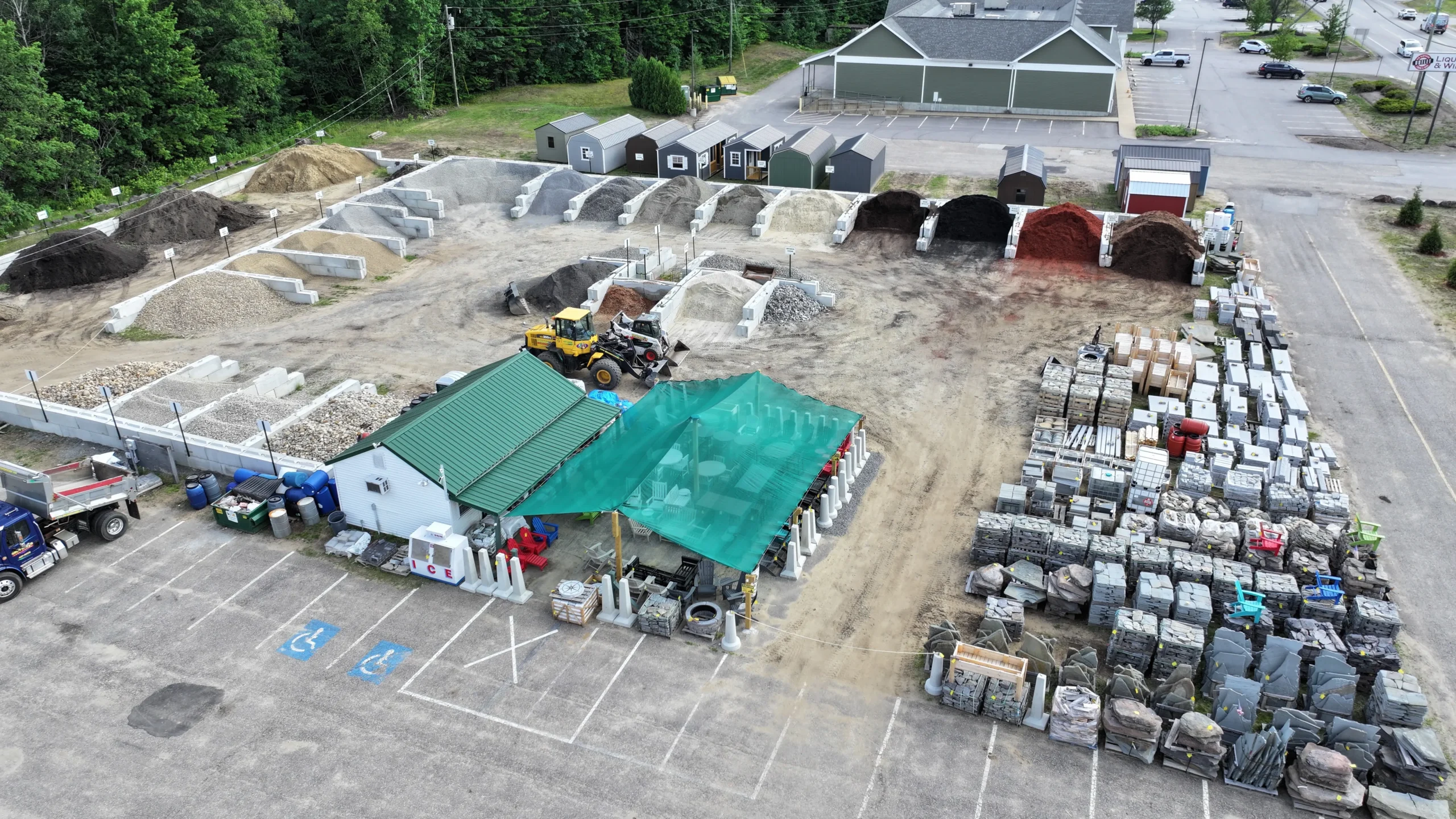
We’re big believers in sourcing stone regionally whenever we can. It just looks right next to your existing landscape, and it cuts down on the environmental impact that comes with hauling materials long distances. Local stone tends to be easier on your wallet too, since there’s less shipping involved, and it fits with the kind of sustainable landscaping we like to practice. Going this route helps shrink your carbon footprint while giving you stone that’s already suited to our local weather.
What Should You Know About Natural Stone Wall Design and Construction?
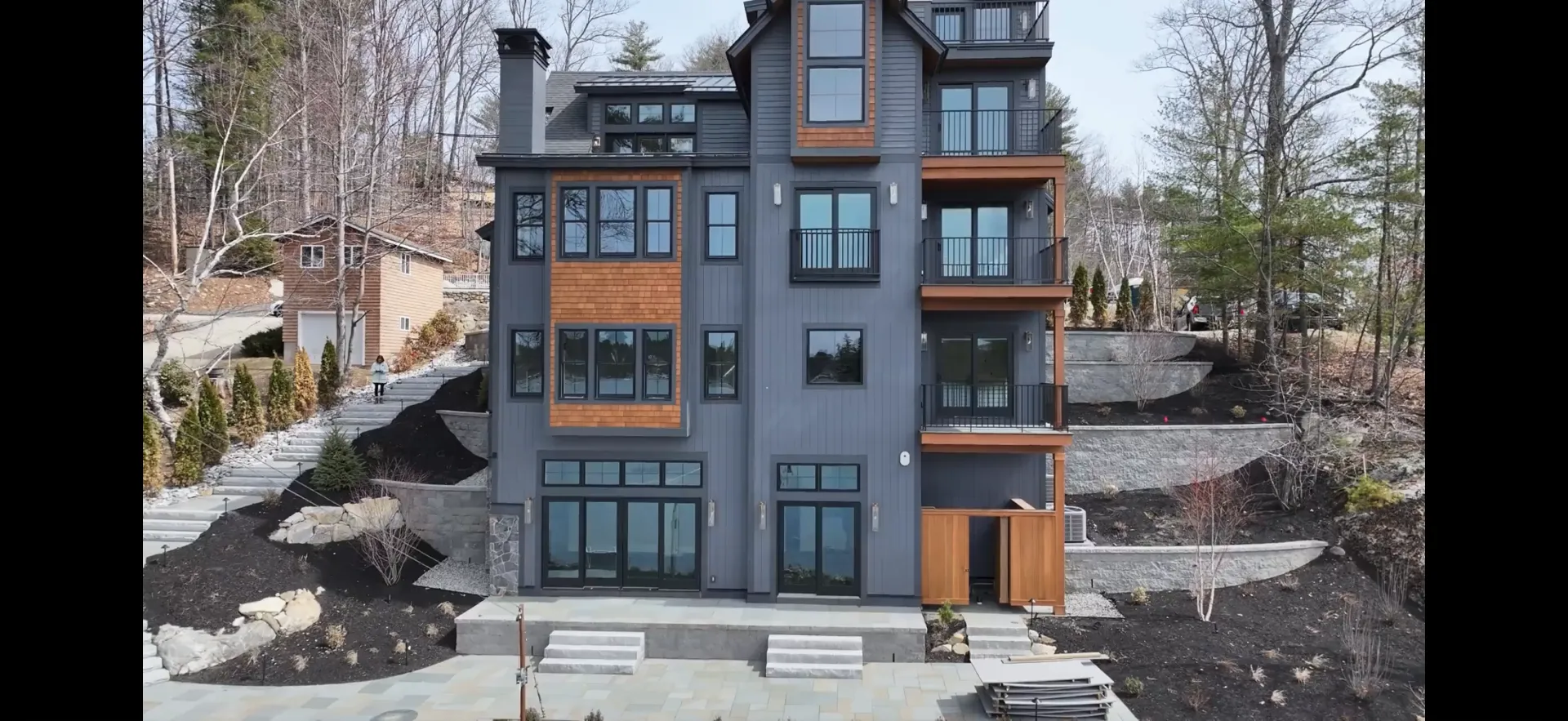
How you design and build your wall makes a big difference in how it performs and how long it lasts. Getting familiar with different wall styles and installation methods will help you end up with a wall that looks great and holds up for the long haul.
What Are Popular Stone Wall Styles for Gardens and Retaining Walls?
There are several wall styles we can help you choose from, depending on your landscape goals:
Dry Stack Walls: These stones are stacked without mortar, giving you flexibility and natural drainage.
Mortared Walls: Mortar adds strength and staying power, which is great for taller walls.
Curved Walls: These add a nice visual flow to a landscape, curving around gardens or pathways.
Designing your wall to fit the natural flow of your landscape can really boost the look of your yard while keeping it structurally sound.
What Installation Methods Make Stone Walls Last Longer?
Certain building techniques go a long way toward making your wall last. Here’s what we focus on:
Proper Drainage Installation: Keeping water from pooling behind the wall prevents pressure from building up and causing failure.
Backfilling with Gravel: This helps water move through instead of pooling, cutting down on erosion.
Layering Stones Effectively: Putting larger stones at the base and working up to smaller ones adds stability.
Using these techniques helps your landscape wall last much longer and drains the way it should.
How Much Does It Cost to Build a Natural Stone Retaining Wall?
What you’ll pay for a natural stone retaining wall depends on a few things, like the type of stone, the size of the wall, and how complicated the installation is. Knowing these factors upfront helps you budget the right way.
What Factors Affect Stone Wall Materials and Installation Pricing?
Here’s what typically drives the cost:
Stone Type: Premium stone like slate usually costs more than fieldstone or granite.
Wall Height and Length: Bigger walls need more materials and more labor.
Labor Costs: Bringing in professionals for the installation is a meaningful part of your budget.
How Can You Budget Smartly for Your Stone Wall Project?
A few practical tips we always share with our clients:
Get Multiple Quotes: Pricing can vary quite a bit between contractors.
Plan for Material Waste: It’s smart to budget about 10% extra beyond your estimated material needs.
Consider DIY Options: If you’ve got some experience, doing part of the work yourself can help save on labor.
Going into your project with a clear financial plan helps you get the most out of your investment in your landscape wall.
How Do You Maintain and Care for Your Natural Stone Landscape Wall?
Keeping up with maintenance is key to preserving the look and lifespan of your natural stone wall. A little regular care goes a long way toward avoiding costly repairs down the road.
What Are Simple Steps to Keep Stones Looking Great Over Time?
Here’s how we recommend keeping your wall in great shape:
Regular Cleaning: A soft brush and some gentle soap will take care of dirt and moss.
Inspect for Cracks: Check regularly for wear and tear, and address any issues right away.
Seasonal Treatments: A sealant treatment can help protect your wall against tough New Hampshire winters.
Stay on top of these simple steps and your wall will stay a beautiful part of your landscape all year round.
When Should You Consider Professional Stone Wall Repairs?
If you notice cracks forming or your wall starting to shift, it’s time to bring in the pros. Things like serious displacement or crumbling stone need an expert eye to make sure everything stays safe and sound. Catching these signs early helps us keep your landscape wall looking great and standing strong.
If you’re thinking about building a natural stone landscape wall, we’d love to help. At Groundhog North, we specialize in natural stone and retaining wall work for both residential and commercial properties. We’re happy to guide you through picking the right materials and making sure everything is installed to last.
FAQ
What are the best natural stone types for retaining walls in New Hampshire?
Granite, fieldstone, and slate stand out for durability, aesthetics, and regional fit. Granite offers a sleek modern look, fieldstone gives rustic charm, and slate provides varied hues with long-lasting quality.
Why choose regionally sourced natural stone for a landscape wall?
Regionally sourced stone looks right next to existing landscapes and reduces environmental impact from long-distance hauling. It’s also easier on the budget and fits with sustainable landscaping practices while suiting local weather conditions.
What wall styles are popular for gardens and retaining walls?
Popular styles include dry stack walls, which use no mortar for flexibility and drainage, mortared walls for added strength on taller structures, and curved walls that add visual flow to a landscape.
Conclusion
In the end, choosing natural stone for your landscape wall comes down to matching the look you love with the performance your site demands. Think about color, texture, and size together, and don’t skip the groundwork—literally—that keeps a wall standing strong for years. Take your time, ask questions, and picture how the stone will age alongside your landscape. When you get that balance right, you’re not just building a wall—you’re building a lasting feature you’ll be proud of every time you pull into the driveway.
