
Choosing the right gravel for patios and retaining walls is crucial to ensure durability, stability, and effective drainage. Many homeowners and builders often face the challenge of selecting the right type of gravel that suits their specific needs, particularly in regions with distinct climatic conditions like New Hampshire. This article will guide you through the various gravel types available, their characteristics, and how they can impact your hardscaping project. We will explore the essential gravel types, the influence of size and grading on structure stability, and the necessary steps in preparing a solid gravel base tailored for patios and retaining walls. Along the way, we will also touch on the significance of local climate factors in choosing the right materials, ultimately ensuring that your installation stands the test of time.
Which Types of Gravel Work Best for Patio and Retaining Wall Bases?
When planning a patio or a retaining wall, the type of gravel selected can profoundly affect long-term performance and stability. Various gravel types offer different benefits, depending on their composition and intended use.
Crusher Run and Crushed Stone: These materials are often preferred due to their excellent load-bearing properties.
Decomposed Granite: This type provides a more aesthetically pleasing finish while maintaining effective drainage.
Gravel Screenings: They can be used for finishing layers, as they are finer than other types.
Groundhog North specializes in supplying and delivering premium gravel materials ideal for such foundational bases.
What Makes Crusher Run and Crushed Stone Ideal for Base Layers?
Crusher run is composed of crushed stone that creates a stable base layer when compacted. Its angular particles interlock, providing superior load distribution and stability. This interlocking mechanism makes it a preferred choice for heavy-duty applications, such as the foundations for patios and retaining walls. The weight-bearing capacity of crusher run ensures that structures remain intact under pressure, which is essential for long-term durability.
How Does Decomposed Granite Compare for Patio and Retaining Wall Foundations?
Decomposed granite is another excellent option, particularly for decorative pathways or lighter structures. Its fine particles compact well, creating a solid surface that allows for drainage and reduces erosion. Compared to traditional gravel types, decomposed granite tends to provide a more natural appearance, blending seamlessly into the area. However, it may not offer the same structural support as crusher run for heavier installations.
How Do Gravel Size and Grading Affect Patio and Retaining Wall Stability?
The size and grading of gravel play significant roles in determining the stability of your patio and retaining wall installations. It’s essential to consider these factors when preparing a base.
Gravel Size: Ideally, gravel for base layers should be between 3/4 inch to 1 inch in size. This range promotes effective drainage while providing sufficient support for the structure above.
Grading: Well-graded gravel, which includes a mix of different sizes, enhances compaction and creates a stable foundation, preventing shifting and settling over time.
What Is the Best Gravel Size Range for Effective Drainage and Compaction?
Choosing the right gravel size is crucial for both drainage and compaction. The best gravel size range for patio and retaining wall foundations typically falls between 3/4 inch and 1 inch. This size range is optimal for achieving balance between drainage capability and providing a compacted, stable base. Smaller particles can fill voids and enhance compaction, while larger stones provide structural support.
Why Is Angularity Important in Gravel for Preventing Shifting and Frost Heaving?
Angular gravel is preferred for base layers as its edges interlock, providing enhanced stability against shifting and frost heaving. This characteristic is especially vital in colder climates, like New Hampshire, where freeze-thaw cycles can lead to significant structural challenges. By utilizing materials with angularity, you create a more stable and resilient foundation for your installations, reducing the risk of future issues.
What Are the Essential Steps to Prepare a Gravel Base for Patios and Retaining Walls?
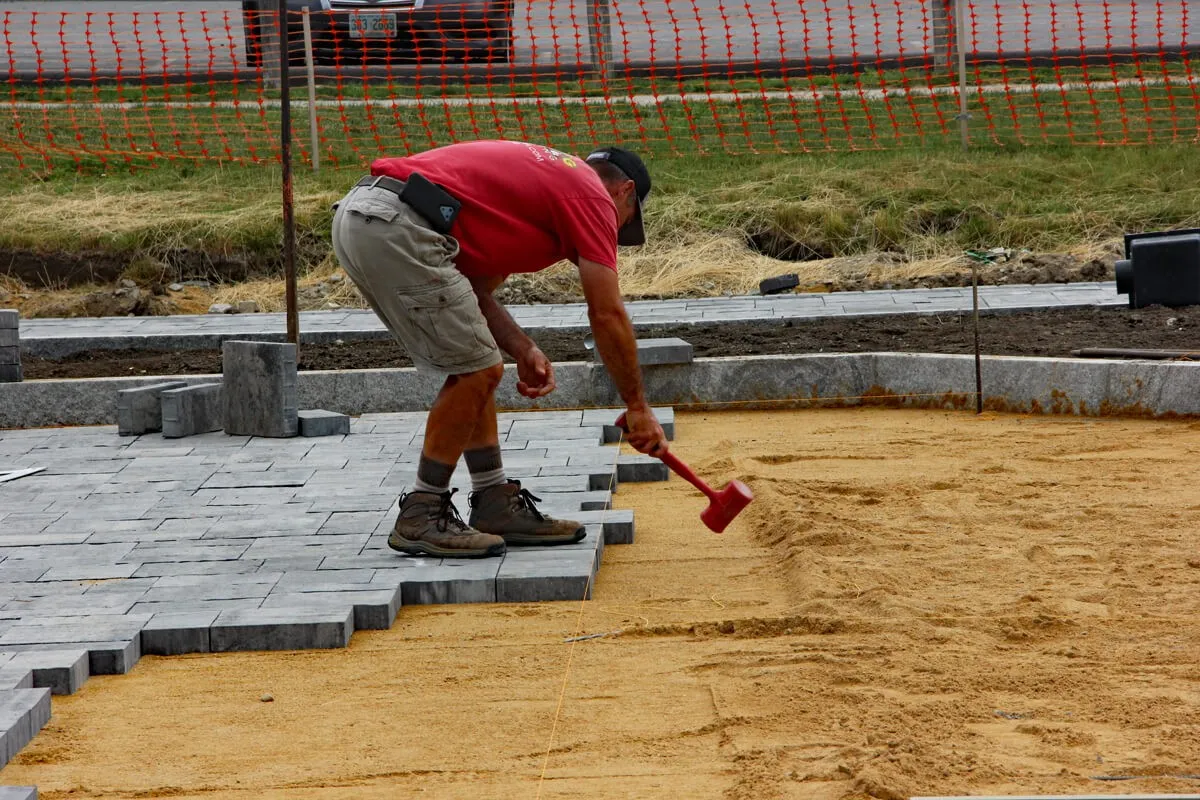
Preparing a gravel base requires careful consideration to ensure durability and stability.
Excavation: The area must be excavated to the necessary depth, accounting for the gravel layer and the thickness of the patio or wall.
Layering: After excavation, it’s crucial to layer the gravel—typically starting with larger stones at the bottom and gradually moving to finer materials on top.
Compaction and Leveling: Proper compaction of each layer is essential to prevent settling. This can be achieved using a plate compactor or a hand tamper.
Proper preparation sets the foundation for your hardscaping, ensuring long-lasting results.
How Should You Layer, Compact, and Level Gravel for a Durable Base?
Creating a durable base involves a systematic approach to layering and compaction. Start by laying 4-6 inches of larger gravel, which should then be compacted thoroughly. Follow this with a finer gravel layer of about 2-3 inches and compact again. This technique not only enhances stability but ensures adequate drainage, preparing the base for patio stones or wall blocks above.
What Role Do Drainage Solutions Like Fabric Liners and Proper Depth Play?
Incorporating proper drainage solutions into your gravel base preparations plays a vital role in long-term maintenance. Using fabric liners can help prevent soil from mixing with gravel, thus maintaining effective drainage channels. Adequate depth is also essential to accommodate both the gravel base and any additional materials that may be used above, ensuring that water drains away from the structure effectively and minimizing the risk of erosion.
Why Does Local Climate Influence Your Gravel Choice for Patio and Retaining Wall Bases?
The climate in which your installation resides significantly influences the choice of gravel. Factors like frost, moisture, and temperature fluctuations impact the performance of various gravel types.
Frost Resistance: In regions with cold winters, it is crucial to select materials that can withstand freeze-thaw cycles without cracking or shifting.
Moisture Management: Gravel types with superior drainage capabilities prevent water from pooling, which can lead to erosion and instability.
How Does Frost and Moisture in New Hampshire Affect Gravel Performance?
In New Hampshire, the combination of frost and moisture requires careful selection of gravel to ensure lasting performance. Materials that allow for drainage and have angular shapes are crucial for reducing the effects of freeze-thaw cycles. This approach helps maintain structural integrity over the winter months and beyond, mitigating the risks associated with moisture infiltration.
What Materials and Installation Tips Help Prevent Frost Heave Damage?
To minimize frost heave damage, consider implementing the following practices during installation:
Utilize angular gravel for its interlocking properties, enhancing stability against shifting.
Ensure proper drainage by grading the site away from walls and patios.
Incorporate a drainage layer to divert water effectively.
By focusing on these strategies, you can significantly enhance the longevity and performance of your hardscaping projects, setting the stage for a resilient outdoor living space.
