
If you’re thinking about putting in a new lawn, early fall is when we tell our customers to do it. The temperatures cool down, the moisture picks up, and those conditions are exactly what grass seed needs to germinate and take root. Early fall also lines up naturally with how cool-season grasses grow, so you’re working with the season instead of against it. In this article, we’ll walk you through why we love early fall for lawn installation, which grass types work best here, how to get your soil ready, and what your new lawn needs once it’s in the ground.
What Makes Early Fall Ideal for New Lawn Installation in NH?
Early fall just works for new lawns in New Hampshire. The soil is still warm from summer, which helps roots develop, but the air has cooled off enough that young grass isn’t getting stressed out by the heat. On top of that, we usually see more rain this time of year, which helps seeds get established without you having to run the sprinkler constantly. Put it all together and you’ve got about as close to ideal lawn-growing weather as you’ll find.
Why Is Early Fall More Beneficial Than Spring for Planting?
We get asked this a lot, and it comes down to a few things. First, there’s a lot less weed competition in the fall than in spring, so your new grass gets to grow without fighting other plants for water and nutrients. Second, the cooler weather is easier on young grass and lets it focus energy on building strong roots instead of just surviving the heat. Third, planting in early fall gives your lawn a solid head start before winter hits, so it comes back strong and ready to grow the following spring.
We’ve helped plenty of homeowners in the area get their timing right for a fall installation, and we tailor everything to our local climate so you get the best results possible.
Which Cool-Season Grasses Are Best for New Hampshire Lawns in Fall?
Picking the right grass matters just as much as picking the right time to plant it. Around here, we lean on cool-season grasses, and Kentucky bluegrass, perennial ryegrass, and tall fescue are our go-to choices.
Each of these grasses handles our New Hampshire climate and soil well, and each brings something a little different to the table depending on what you need from your lawn.
How to Choose Grass Seed or Sod for Fall Installation?
When you’re picking out seed or sod, think about your climate, your soil, and how you actually use your yard. If your lawn sees a lot of foot traffic, something tougher like tall fescue is probably your best bet. It’s also worth getting your soil tested first, since that tells us what amendments might help your grass grow better from day one. We’re always happy to walk homeowners through choosing the right grass seed or sod so the lawn you end up with actually fits your property.
How Should You Prepare Your Soil for Fall Lawn Installation?
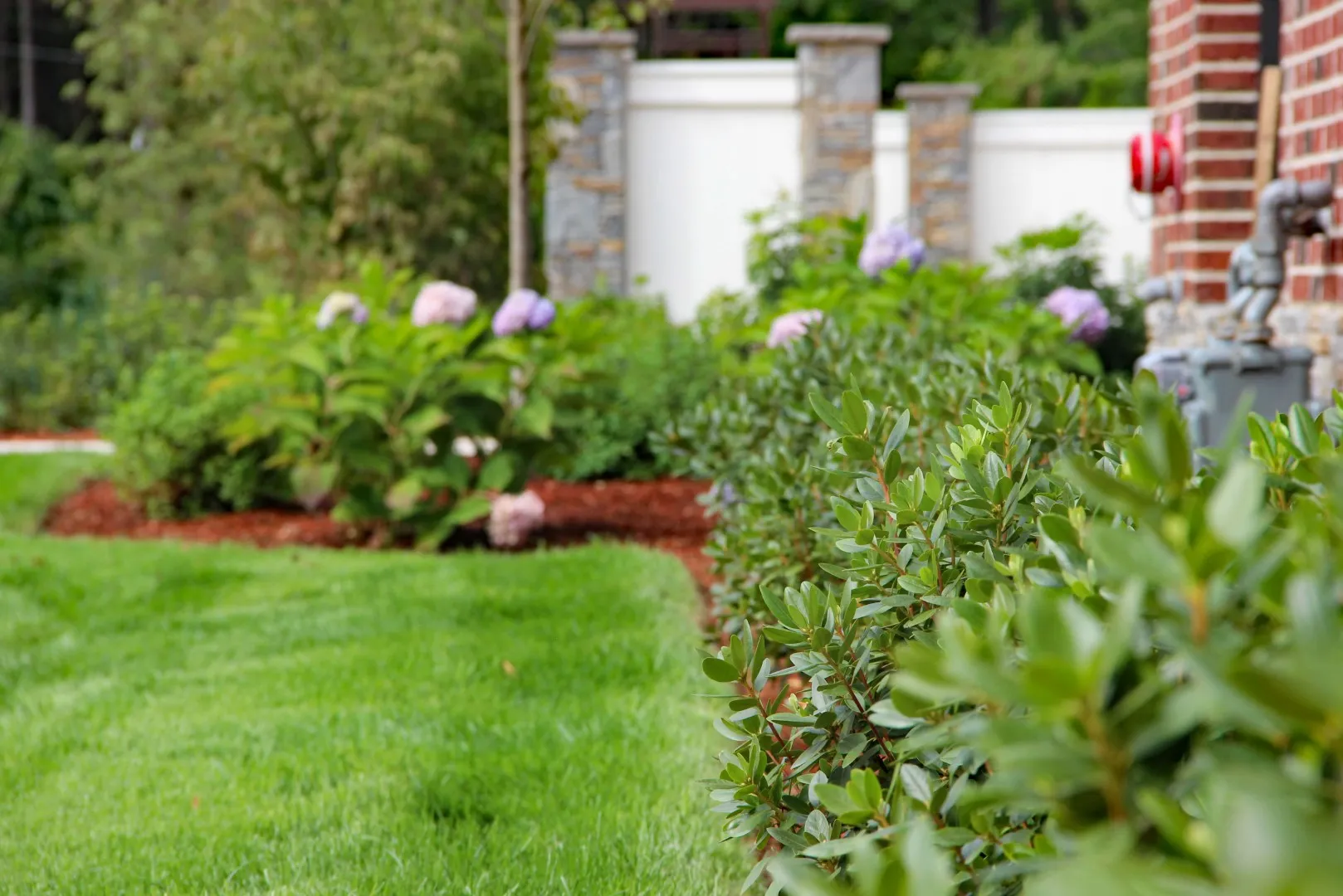
Good soil prep is where a great lawn really starts. We always begin by loosening up compacted soil so air and water can move through it properly. From there, we test the soil to check nutrient levels and pH, adding lime or sulfur if things need adjusting. Finally, we clear out any debris and smooth the seedbed, because good seed-to-soil contact makes a big difference for germination.
How Does Soil Temperature Affect the Installation Process?
Soil temperature has a big impact on how well your grass seed germinates. Cool-season grasses do best when the soil sits between 50°F and 65°F. In that range, seeds germinate quickly and build strong roots. If the soil’s too cold, germination slows down and you end up with weaker plants. That’s why we always check soil temperature before we plant.
What Care Does a New Lawn Need After Early Fall Installation?
Once your new lawn is in, it still needs some attention to really take hold. Watering is the big one, especially in the first few weeks, keep the soil moist but don’t drown it. We recommend a starter fertilizer to give the grass what it needs without overdoing it and burning the young plants. And hold off on that first cut until the grass reaches a healthy height; it’ll settle in and grow in stronger for it.
What Common Mistakes Should You Avoid for Fall Lawns?
Planting too late: Wait too long into fall and your grass won’t have enough time to establish roots before winter.
Ignoring soil conditions: Skipping a soil test can leave you dealing with poor growth and missing nutrients later.
Neglecting watering needs: Not watering enough can stunt your new grass, especially if it turns dry after planting.
Steer clear of these and you’re well on your way to a lawn you’ll be proud of. We’re here to help every step of the way, from picking the right grass to making sure your new lawn gets off to a strong start.
FAQ
Why is early fall better than spring for planting grass in NH?
Early fall brings less weed competition, so new grass grows without fighting other plants for water and nutrients. Cooler weather also lets young grass build strong roots and gives it a head start before winter.
What grass types work best for a fall lawn installation in New Hampshire?
Kentucky bluegrass, perennial ryegrass, and tall fescue all handle New Hampshire’s climate and soil well. Kentucky bluegrass offers drought resistance, ryegrass germinates quickly, and tall fescue suits high-traffic, transitional areas.
What soil temperature range is ideal for grass seed germination?
Cool-season grasses germinate best when soil temperatures sit between 50°F and 65°F. Within this range, seeds germinate quickly and develop strong roots, while colder soil slows germination and weakens young plants.
Conclusion
In the end, early fall just makes sense for new lawn installation here in NH. The cooler air, warm soil, and steady fall rains give grass seed exactly what it needs to root deeply before winter arrives. So if you’ve been putting off that lawn project, don’t wait for spring’s mud and unpredictable weather—let this season do the heavy lifting. Reach out to Groundhog North, and let’s get your lawn started on the right foot this fall.
