
When you’re starting a new lawn from scratch, loam is where it all begins. Loam is that perfectly balanced soil mix of sand, silt, and clay that gives grass seed everything it needs — nutrients, moisture, and a solid base to take root in. If you want a lawn that’s thick, green, and healthy, figuring out how much loam to lay down before you seed is one of the most important calls you’ll make.
In this guide, we’ll walk you through what loam actually is, why it matters, how it stacks up against other soil types, how thick to lay it, and the prep work you’ll want to do before you ever spread a seed. By the end, you’ll have a clear picture of what it takes to set your new lawn up for real, lasting growth.
What Is Loam and Why Is It Essential for New Lawn Soil Preparation?
Loam is the good stuff — a rich, well-balanced soil that gives grass exactly what it needs to grow strong. It’s packed with nutrients grass seed can actually use, and it strikes that sweet spot between holding onto moisture and still draining well, so your seed doesn’t sit in water and rot before it even gets going. That combination of moisture retention and drainage is exactly why we reach for loam every time we’re building a new lawn from the ground up.
Benefits of Using Loam:
Here’s why loam makes such a difference when you’re prepping a new lawn:
Enhanced Growth: Its balanced mix gives roots the nutrients they need right from the start.
Improved Soil Structure: Loam’s texture lets air move through the soil, which roots love.
Moisture Retention: Loam holds onto water well, so you’re not stuck watering constantly.
Bottom line: starting with good loam sets up everything else you do for success.
How Does Loam Compare to Other Soil Types for Turf Growth?
Compared to other soils, loam just works better for growing turf. Sandy soil drains too fast and dries out your seed; clay holds too much water and can drown it. Loam splits the difference, giving roots access to both nutrients and oxygen without the risk of rot that comes with soggy soil. It also holds onto organic matter better than sand or clay, which keeps the soil ecosystem healthier and gives your grass an even better shot at thriving.
What Are the Key Benefits of Using Quality Loam Before Seeding?
Good loam makes a real difference. It improves soil texture, boosts nutrient availability, and helps grass grow stronger roots and a thicker, greener lawn. It also tends to mean fewer weeds, since quality loam doesn’t give weed seeds the easy conditions they need to take hold. All of this is why we always recommend sourcing loam carefully before you start seeding a new lawn.
Groundhog North’s Solutions for Soil Preparation
At Groundhog North, we specialize in soil preparation for homeowners across the New Hampshire Lakes Region. We know the local soil, we know what loam works best here, and we’re happy to walk you through the right approach for your property so your new lawn gets off to a strong start.
How Much Loam Topsoil Thickness Does a New Lawn Need?
As a general rule, we recommend laying down 2 to 4 inches of loam for a new lawn. That’s enough depth to give grass seed a fertile place to root and grow, while also helping the soil hold onto the right amount of moisture as your lawn gets established.
What Is the Recommended Soil Depth for New Turf to Thrive?
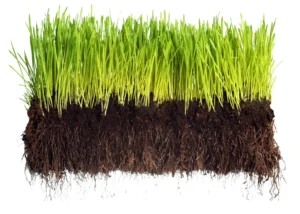
For most grass types, 3 to 4 inches of soil depth is the sweet spot. That gives roots plenty of room to breathe and spread out, building a strong foundation for your seedlings. Before you lay any loam, it’s worth checking your existing soil conditions to make sure what’s underneath can actually support new growth.
How Do You Calculate the Amount of Loam Needed per Square Foot?
Figuring out how much loam you need isn’t complicated — here’s how we do it:
Measure the area in square feet where you’re laying loam.
Decide on your thickness (in inches).
Convert that thickness to feet (divide inches by 12).
Multiply area by thickness to get your volume in cubic feet.
Convert cubic feet to cubic yards by dividing by 27.
Run through those steps and you’ll know exactly how much loam to order — no guesswork, no waste. You can also use our free materials calculator here.
What Soil Preparation Steps Should You Follow Before Seeding Your New Lawn?
Before you lay any loam, a little prep work goes a long way. Here’s what we recommend:
Clear Debris: Pull out rocks, weeds, and any old grass so you’re starting with a clean slate.
Test Your Soil: Check pH and nutrient levels to see if you need to make any adjustments.
Add Amendments: Mix in organic matter or fertilizer if your soil needs a boost.
Get these steps right and you’re setting the stage for loam and seed to do their job.
Why Is Grading Important Before Adding Loam and Seeding?
Grading matters because it gives your yard the right slope for water to drain away properly. Without it, water pools up, and that can wash out or drown new seed before it has a chance. Good grading also just looks better — it gives your lawn a smooth, even contour instead of awkward dips and bumps.
How Can Soil Amendments Improve Loam Quality for Lawn Establishment?
Adding amendments like compost or peat moss can take your loam even further. Organic matter helps hold moisture and feeds the beneficial microbes that keep soil healthy. This matters even more in areas where the natural soil isn’t great to begin with — amendments help bridge that gap and give your lawn better growing conditions.
How Do Local Conditions Affect Loam Requirements for Seeding New Lawns?
Where you live matters. Temperature, rainfall, and the soil you’re already working with all play a role in how much loam you actually need to get a new lawn established.
What New Hampshire Soil Characteristics Should You Consider?
Here in New Hampshire, soil tends to run clay-heavy, which can make drainage a real challenge. If that sounds like your yard, quality loam can make a big difference — it improves both soil structure and drainage. Knowing what you’re working with helps you make smarter decisions for your lawn.
How Can Expert Soil Services Help You Prepare the Perfect Lawn Base?
Bringing in a professional soil crew can take a lot of the guesswork out of the process. We test your soil, figure out the right loam and amendments for your property, and handle the grading so everything’s set up correctly from the start. It saves you time and gives your new lawn the best possible foundation to grow from.
