
At Groundhog North, we get asked about bluestone patios all the time, and honestly, it’s easy to see why homeowners are drawn to it. This stone brings together good looks and real durability, which makes it a great fit for all kinds of outdoor spaces. In this article, we’ll walk you through what makes bluestone such a solid pick for New Hampshire patios, how it holds up through our winters, and how it stacks up against other stones like flagstone. We’ll also cover what to expect during installation and how to keep your patio looking great for years to come.
Key Takeaways
- Bluestone withstands New Hampshire’s freeze-thaw cycles, making it a durable choice for Lakes Region patios.
- We install bluestone patios using techniques refined over 30 years of landscape construction experience.
- Our 60-person crew handles bluestone patio installation from site prep to final finishing touches.
- Bluestone’s natural texture provides slip resistance, a practical benefit for patios near New Hampshire pools and lakes.
What Makes Bluestone a Popular Patio Stone in New Hampshire?
We see bluestone come up in a lot of our New Hampshire projects, and it’s not hard to understand why homeowners love it. It looks great, it holds up, and it doesn’t ask for much upkeep. The color variations and textures give a patio a natural, upscale feel, and the surface is naturally slip-resistant, which matters when you’re dealing with wet New England weather. It’s also tough enough to handle whatever the seasons throw at it, so you’re not constantly repairing or replacing sections – a big win for any homeowner.
When you’re ready to build a bluestone patio, “Groundhog North” is here to help. We specialize in hardscaping and masonry work across the region, and we love helping homeowners transform their outdoor spaces with quality natural stone.
How Does Bluestone’s Durability Hold Up in New England Winters?
One of the biggest reasons we recommend bluestone is how well it handles our winters. It’s dense and low-porosity, so it resists the freeze-thaw cycle that wears down weaker materials. We’ve seen bluestone patios come through brutal New Hampshire winters without cracking or breaking down, which gives our clients real peace of mind.
Why Choose Bluestone for Its Natural Look and Texture?
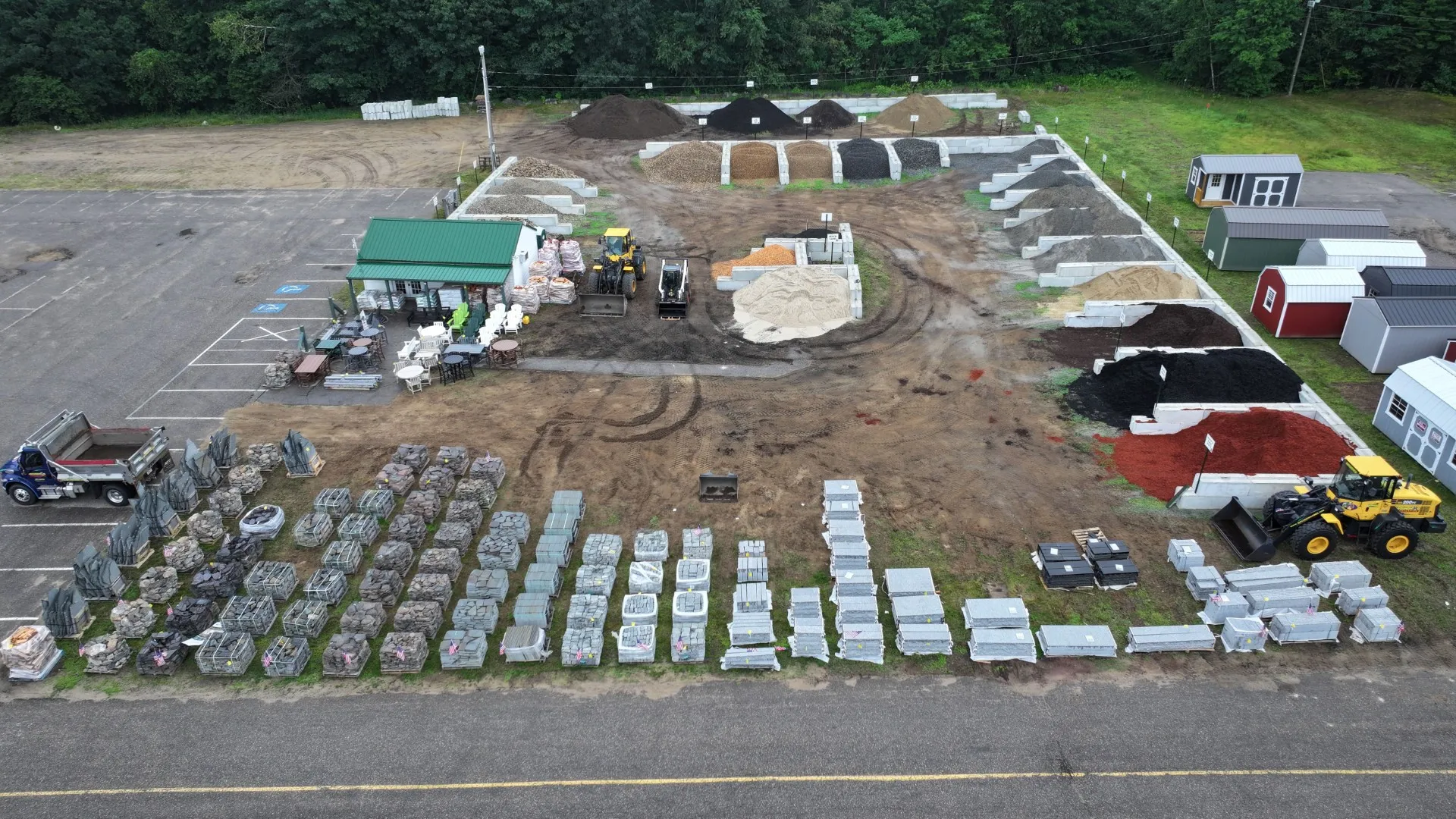
We love how much personality bluestone brings to a patio. It ranges from deep blue to soft gray, sometimes with hints of green or brown mixed in, so it blends naturally into just about any outdoor style we build. Beyond looks, that same texture gives you a stable, slip-resistant surface underfoot – something we always keep in mind when we’re building spaces families will actually use.
How Does Bluestone Compare to Flagstone and Other Patio Stones?
Homeowners often ask us how bluestone stacks up against flagstone and other options, and it’s a fair question – each stone brings something different to the table.
In our experience, bluestone generally outlasts flagstone, especially once New Hampshire’s weather starts throwing punches. The upfront costs are pretty similar, but we usually tell clients that bluestone’s durability and lower “maintenance needs” make it the better long-term investment.
What Are the Key Differences Between Bluestone and Flagstone Patios?
The biggest differences come down to look, durability, and how the installation works. We find bluestone gives a cleaner, more uniform look that suits more formal patios, while flagstone leans rustic and casual. Bluestone can also handle more weight and rougher conditions, so if you’re planning on heavy furniture or built-in features, we’ll usually steer you toward bluestone.
Which Stone Offers Better Value for New Hampshire Patios?
When we talk value with our clients, bluestone usually wins out. Both stones are durable, but bluestone needs less maintenance and fewer replacements over time, so it pays for itself if you’re after something that can handle everything New Hampshire’s climate throws at it.
What Should You Expect When Installing a Bluestone Patio in NH?
Every bluestone patio we build goes through a few key stages – site prep, choosing the right stone, and installing it the right way. We walk our clients through each step so there are no surprises along the way.
How Much Does Bluestone Patio Installation Cost in New Hampshire?
Costs vary depending on your site, the stone you choose, and how complex the design is. Generally, we see installation run somewhere between $20 and $30 per square foot, which covers quality materials and the skilled labor it takes to get it right.
What Are the Best Practices for Bluestone Patio Installation?
We always start with a thorough site assessment and proper base prep – grading and drainage aren’t optional if you want to avoid water pooling down the road. We also recommend sealing the stone after installation, since it protects against stains and weathering and keeps your patio looking its best for longer.
How Do You Maintain and Care for Your Bluestone Patio Over Time?
Keeping a bluestone patio looking sharp doesn’t take much – just a bit of routine cleaning, sealing, and the occasional seasonal check.
What Regular Maintenance Keeps Bluestone Looking Great in New England?
We recommend sweeping off debris regularly, power washing every so often, and resealing every few years to keep that natural beauty intact. Stick to gentle cleaning solutions – harsher ones can wear down the surface over time.
Can Bluestone Patios Withstand Harsh Weather With Proper Care?
Absolutely – with the right care, bluestone can handle everything New England throws at it. We always tell clients to use salt-free ice melters in the winter to avoid freeze-thaw damage, and to manage water runoff so the patio stays stable. Take care of it, and your bluestone patio will keep looking great season after season.
FAQ
Is bluestone durable enough for New Hampshire winters?
Yes, bluestone is dense and low-porosity, so it resists the freeze-thaw cycle that wears down weaker materials. Groundhog North has seen bluestone patios withstand brutal New Hampshire winters without cracking or breaking down.
Is bluestone slip-resistant for patios near pools and lakes?
Yes, bluestone’s natural texture provides slip resistance, giving a stable surface underfoot. This makes it a practical choice for New Hampshire patios near pools and lakes.
Is bluestone a better long-term investment than flagstone?
Bluestone generally outlasts flagstone, especially against New Hampshire’s harsh weather, while upfront costs for both remain similar. Groundhog North notes that bluestone’s durability and lower maintenance needs make it the stronger long-term choice.
Conclusion
In the end, bluestone earns its reputation as a smart pick for New Hampshire patios—it handles our freeze-thaw winters, brings natural texture underfoot, and ages beautifully year after year. If you’re weighing your options, think about how you’ll use the space and what look you’re after. We’re happy to talk through material choices and help you figure out what fits your property best, so your patio looks great and holds up for the long haul.
