
Lakefront Landscaping in NH: Your Guide to Native Plants, Shoreline Rules & Seasonal Care
Lakefront landscaping in New Hampshire blends practical know-how with a respect for the lake’s fragile ecology. Whether you want to improve curb appeal or support the local ecosystem, choosing native plants, following shoreline rules, and planning seasonal care are essential. This guide breaks down the key approaches for creating a resilient, attractive shoreline garden in the Lakes Region that works with – not against – aquatic life.
Below we’ll cover why native plants matter, what shoreline regulations influence design choices, and which seasonal maintenance tasks keep your lakefront healthy year-round. Follow these principles and you’ll not only enhance your property but also protect the lake environment.
Mastering Lakefront Landscaping in NH: A Practical Guide
Native plants are the foundation of a healthy shoreline. Well adapted to New Hampshire’s soils and climate, they stabilize banks, filter runoff, and provide food and shelter for wildlife. Using native species reduces maintenance, supports biodiversity, and helps the shoreline look natural and resilient.
What Are the Top Native Aquatic Plants and Shrubs for NH Waterfronts?
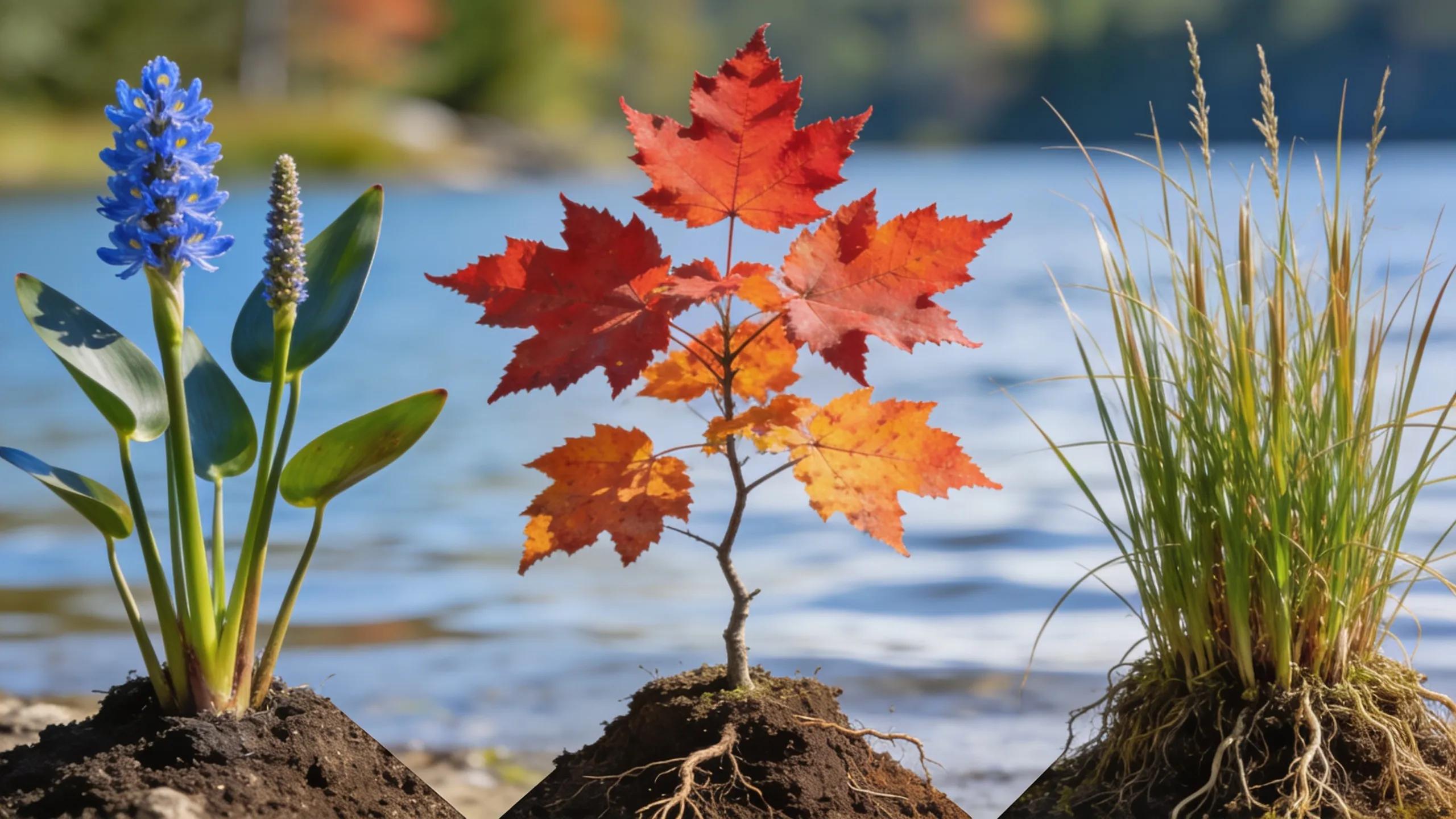
Some of the top native aquatic plants and shrubs suitable for NH waterfronts include:
- Pickerelweed: Thrives in shallow water, produces showy blue flowers, and attracts pollinators and aquatic insects.
- Eastern Red Maple: A flexible shoreline tree that offers vibrant fall color and habitat value for birds and small mammals.
- Native Sedges: Grass-like plants with dense roots that hold soil in place and create shelter for amphibians and invertebrates.
Planting these species in appropriate zones along the shore improves stability and habitat while keeping maintenance low.
How Do Native Plants Help Protect Your Lakefront and Ecosystem?
Native plants protect shorelines through their deep, fibrous roots, which reduce erosion and keep sediment out of the water. They also act as natural filters, trapping nutrients and pollutants from runoff before they reach the lake. By supplying food and cover for insects, birds, and aquatic life, native plantings help maintain a balanced, resilient ecosystem around your property.
Shoreline Regulations
Knowing shoreline regulations is important for anyone landscaping near a lake. New Hampshire’s rules are designed to preserve water quality and habitat along lakes and streams. Following them helps you avoid fines and ensures your work supports long-term ecological health.
What NH Shoreline Landscaping Regulations Should You Know?
Homeowners should be aware of key regulations, including:
- Buffer Zones: Maintain a vegetated buffer along the water’s edge to reduce runoff and protect aquatic habitat.
- Permitting: Certain activities — removing large amounts of vegetation, grading, or building structures — may require permits from state or local authorities.
- Plant Selection: Preference and sometimes requirements exist for native species to promote ecological stability and water quality.
Learning the local rules before you dig helps you plan projects that are both beautiful and compliant.
How Does the NH Shoreland Protection Act Affect Your Landscaping Choices?
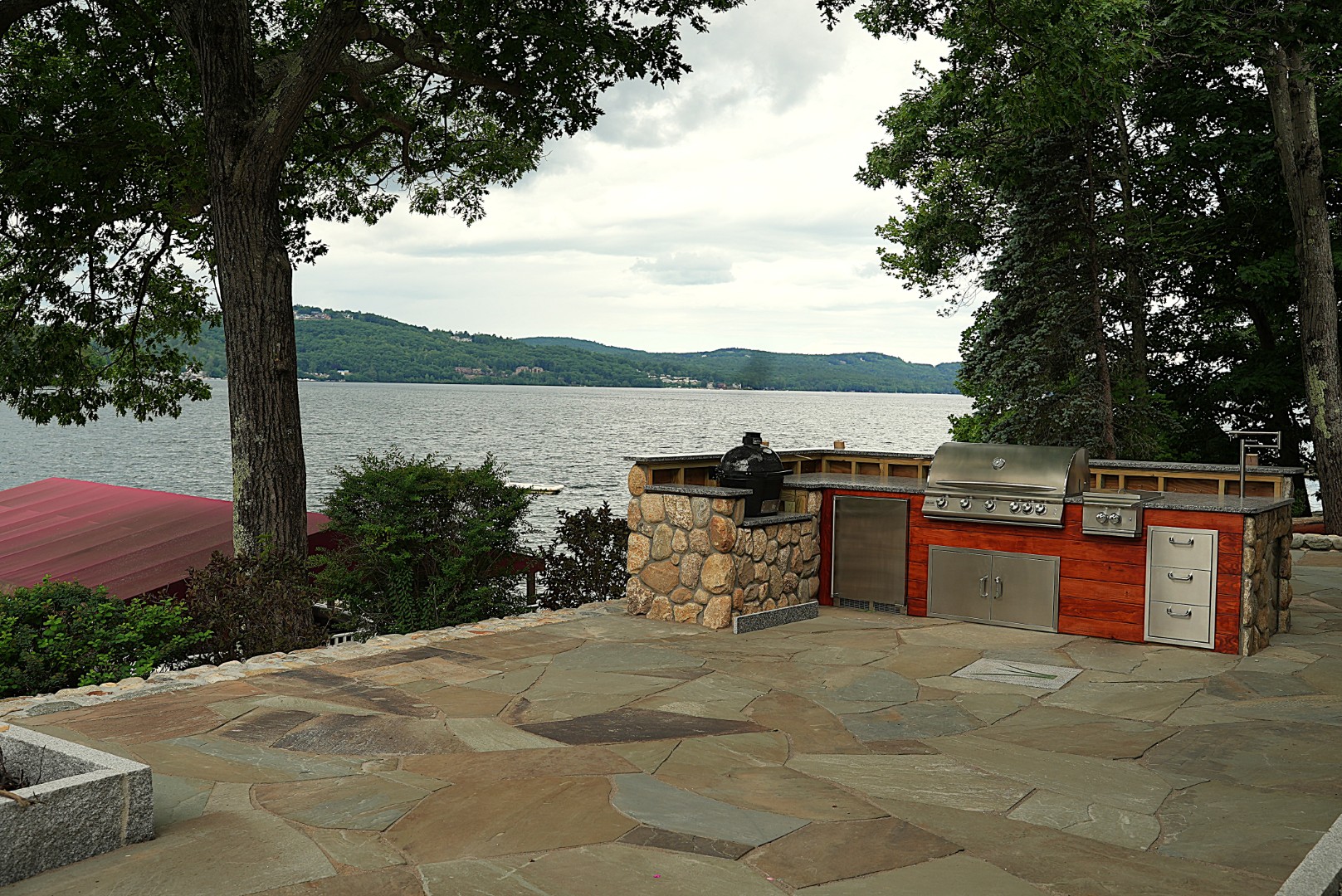
The NH Shoreland Protection Act sets limits on disturbing natural vegetation and emphasizes maintaining vegetated buffers. That means many landscaping projects need to preserve existing plants near the shore or replace removed vegetation with native species. Understanding these requirements lets you balance your design goals with legal and environmental responsibilities.
Seasonal Maintenance Practices
A seasonal plan keeps a lakefront landscape healthy through changing weather. Regular check-ins, timely cleanups, and appropriate plant care limit erosion, disease, and invasive spread so your shoreline stays attractive and functional all year.
How Do You Maintain a Healthy Lakefront Garden Year-Round in NH?
To maintain a vibrant lakefront garden throughout the seasons, consider the following practices:
- Spring Cleanup: Clear winter debris, inspect for erosion, and assess plant survival before new growth begins.
- Summer Care: Monitor moisture and weed pressure; water newly planted natives during dry stretches and remove invasive species promptly.
- Fall Preparation: Cut back spent perennials, rake leaves away from the immediate shoreline where they can add excess nutrients, and leave seed heads where wildlife benefit.
- Winter Protection: Apply mulch around vulnerable roots and avoid heavy foot traffic on frozen banks that can damage plants and soil structure.
Consistent, seasonal attention protects your investment and supports the lake’s water quality and wildlife habitat.
What Are the Essential Seasonal Tasks for Waterfront Landscape Maintenance in NH?
Essential seasonal tasks include:
- Spring Cleanup: Remove debris, check for erosion, and prune damaged growth to prepare for the growing season.
- Summer Watering: Keep newly installed plants hydrated during dry periods to establish strong root systems.
- Fall Pruning: Trim dead or overgrown material to reduce disease and encourage healthy spring regrowth.
- Winter Mulching: Add mulch to protect roots from freeze-thaw cycles and limit soil loss along the bank.
Following these tasks helps your shoreline planting thrive and supports the native species that depend on it.
How Can You Sustain Your Lakefront Garden While Supporting the Local Ecosystem?
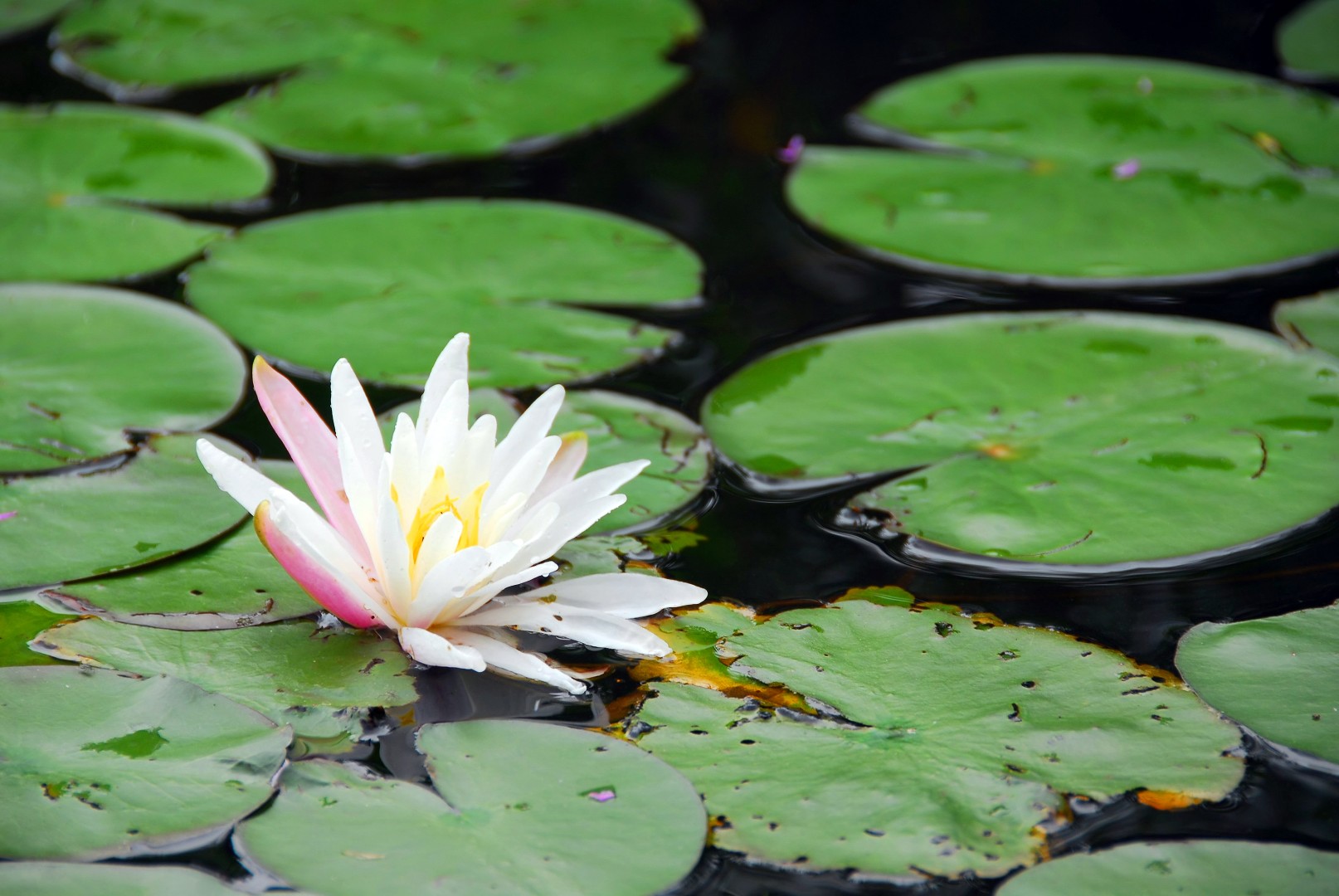
Sustainable lakefront gardening means prioritizing native plants, reducing chemical inputs, and conserving water. Use organic amendments when needed, choose efficient irrigation methods, and avoid pesticides that harm beneficial insects and aquatic life. Promoting plant diversity also builds resilience against pests and disease. Taken together, these choices make your landscape healthier and more supportive of the surrounding lake environment.
Frequently Asked Questions
What are the benefits of using native plants in lakefront landscaping?
Using native plants in lakefront landscaping provides numerous benefits. They are better adapted to local soil and climate conditions, which means they require less water and maintenance than non-native species. Their deep root systems help prevent soil erosion, and they filter pollutants, improving overall water quality. Additionally, native plants create habitats for local wildlife, including birds and beneficial insects, contributing to biodiversity and a healthier ecosystem around the lake.
How can I choose the right native plants for my specific lakefront environment?
Choosing the right native plants involves assessing your specific lakefront environment, such as soil type, sunlight exposure, and moisture levels. Consider consulting local gardening resources or a landscape expert familiar with New Hampshire flora. Prioritize plants that thrive in similar conditions to your site’s microclimate. Additionally, you can create a diverse plant palette mixing shrubs, flowers, and grasses to enhance aesthetics while supporting wildlife habitats.
Are there any specific invasive species I should avoid for my lakefront landscaping?
Yes, it’s vital to avoid using invasive plant species that can harm local ecosystems. Common invasive species in New Hampshire include Purple Loosestrife, Japanese Knotweed, and Reed Canary Grass. These plants can outcompete native species, leading to loss of biodiversity and ecological imbalance. Always opt for native alternatives that promote healthier environments. Consulting local conservation organizations or resources can provide guidance on identifying and avoiding invasive species.
What tools or methods can facilitate maintaining my lakefront garden?
Maintaining a lakefront garden can be made easier with the right tools and methods. Basic gardening tools such as pruners, a rake, and a mulch spreader are essential. Implementing a plan for regular inspections helps catch issues early. Consider using drip irrigation systems for efficient watering and erosion control measures, such as installing terraces or retaining walls where necessary. Engaging a local landscape professional for seasonal tasks can also ensure proper upkeep.
How can I ensure wildlife safety while landscaping near the lake?
To ensure wildlife safety while landscaping near the lake, use environmentally friendly practices. Avoid chemical pesticides and fertilizers that can contaminate water sources. Instead, opt for organic alternatives and promote plant diversity, which attracts a variety of beneficial insects and pollinators. Additionally, leave natural habitats intact, such as nesting areas and food sources, and create buffer zones with native plants to protect delicate wildlife while enhancing your landscape.
Is there a recommended time of year to perform specific landscaping tasks?
Yes, the timing of landscaping tasks can significantly impact success. Spring is ideal for cleaning up debris and planting new seedlings to take advantage of the growing season. Summer is the best time for watering and managing weeds. In fall, focus on pruning and preparing the landscape for winter by applying mulch. Lastly, winter is a great time for planning future projects and protecting the landscape from freeze-thaw damage by minimizing foot traffic on frozen ground.
