
Picking the right decorative stone size and color makes a huge difference in how your outdoor space looks and functions. We work with decorative stone all the time here at Groundhog North, and we know it can do a lot more than just fill space — it can define a path, dress up a garden bed, or hold a slope in place. In this guide, we’ll walk you through how to pick the right stone size for your project, how size affects drainage and stability, and how to choose colors that fit your landscape style. By the end, you’ll have everything you need to make a choice you’ll be happy with for years to come.
Key Takeaways
We match stone size to project scale, using smaller ¾-inch stones for pathways and larger pieces for accents.
Our 60-person crew selects colors that complement your home’s exterior and existing hardscape features.
We test stone samples on-site in New Hampton, NH to confirm color accuracy under natural light.
Larger stones resist shifting in high-traffic areas, while finer stones suit decorative garden borders.
What Stone Sizes Work Best for Different Outdoor Projects?
Getting the stone size right matters just as much as picking a color you like — it affects how well the finished project actually works. Different projects call for different sizes, so here’s how we usually approach it:
Pathways: Smaller stones, like gravel or crushed stone, make for easy walking and let water drain through nicely.
Flower Beds: Bigger decorative stones, like river stones, look great framing a flower bed without stealing the show from your plants.
Retaining Walls: For anything structural, we lean on larger stones or boulders — they give you the stability and durability smaller stones just can’t match.
We carry a full range of decorative stone at Groundhog North, so whatever your project calls for, we can help you find the right size.
How Does Stone Size Affect Drainage and Stability?
Stone size has a big impact on how well your landscape drains and how stable it stays over time. Bigger stones leave more gaps for water to move through, which helps drainage — especially handy in spots that tend to flood. Smaller stones pack together more tightly, and that can trap water and lead to erosion down the road.
Getting the aggregate size right is one of the simplest ways to keep your drainage working the way it should for the long haul.
Stone size also plays a big part in stability. The right size keeps soil from shifting and supports the weight of whatever you’re building on top of it. Compacted gravel gives you solid footing for a pathway, while larger stones make a dependable base for a retaining wall.
How Do You Pick Decorative Stone Colors That Match Your Landscape Style?
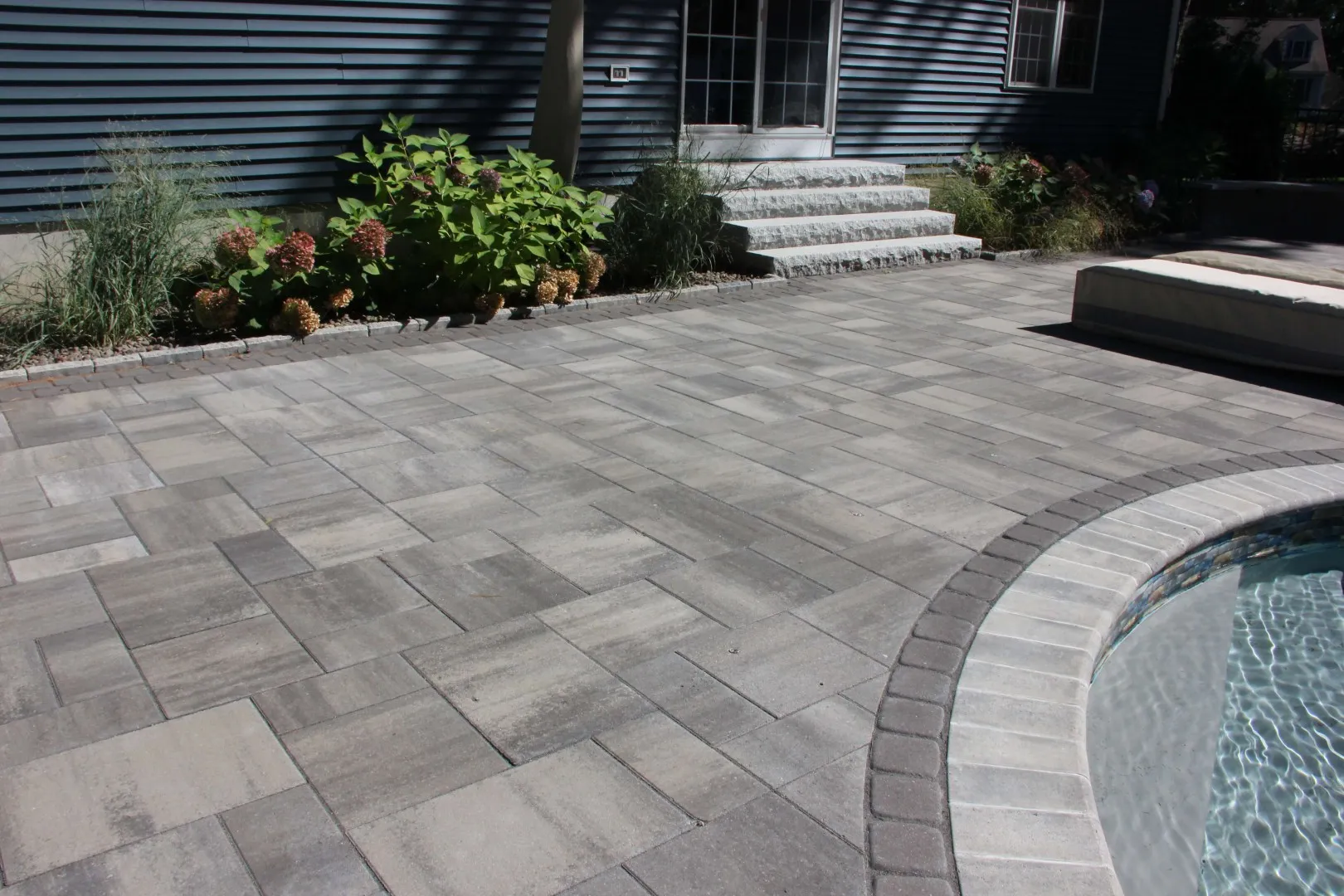
Choosing the right color is what ties your whole outdoor space together. The color you pick sets the tone for your landscape, so it’s worth thinking through. Here’s how we suggest approaching it:
Consider Your Home’s Exterior: Pick a color that either echoes or nicely contrasts with your house for a cohesive look.
Reflect Your Landscape Style: Earth tones warm up a rustic garden, while sleek grays suit a more modern design.
Natural Light Impact: Take a look at how a stone’s color shifts in different light — it can look brighter or more muted depending on when and where you view it.
Take your time matching colors to your style and the elements already in your yard, and you’ll end up with a space that feels pulled together.
How Do Stone Colors Influence the Overall Aesthetic of Your Outdoor Space?
The color of your decorative stone shapes the whole feel of your landscape. Different tones create different moods, so it’s worth thinking about what you want your space to feel like:
Warm Colors: Reds, yellows, and oranges bring energy and warmth to a space.
Cool Colors: Blues and greens have a calming effect — great for a quiet, relaxing garden.
Neutral Colors: Beige, gray, and brown are versatile and never go out of style, so they age well as trends change.
Balancing bold and neutral tones is usually the key to a look that feels polished without being over the top.
What Types of Decorative Stones Should You Consider for Your Project?
Different stones bring different strengths to a project, so it helps to know what you’re working with. Here are a few of our go-to options:
We stock all of these at Groundhog North, so we can help match you with the right stone for your project.
What Practical Tips Can Help You Choose Stone Size and Color for Your Garden or Path?
Here are a few practical tips we share with our customers when they’re picking out stone for a garden or path:
Assess Functionality: Figure out whether you need the stone mainly for looks, stability, or drainage — that’ll guide your choice on size.
Combine Textures and Colors: Don’t be afraid to mix stone types and colors for a little contrast and visual interest.
Sample Test: Grab a few samples and set them out in your yard before committing. Seeing them in natural light next to your existing landscaping makes all the difference.
Follow these tips and you’ll end up with an outdoor space that looks great and works exactly the way you need it to.
How Do You Order Decorative Stone Locally?
Ordering decorative stone is easy once you know what to ask. Here’s what we recommend keeping in mind:
Ask About Sizing Options: Make sure your supplier can get you the exact sizes your project needs.
Discuss Delivery Options: Ask about delivery availability and costs up front.
Request Samples: Always ask for samples so you know exactly what you’re getting before you commit to a bigger order.
We’re happy to help with all of your decorative stone needs at Groundhog North — reach out and we’ll make sure you get quality stone that fits your project.
FAQ
What size stone should you use for a pathway?
Smaller stones, like gravel or crushed stone, work best for pathways since they make walking easy and let water drain through nicely.
Why does stone size matter for drainage and stability?
Bigger stones create more gaps for water to move through, improving drainage, while smaller stones pack tightly and support stability by keeping soil from shifting.
How does Groundhog North help you choose the right stone color?
Our 60-person crew in New Hampton, NH tests stone samples on-site under natural light and selects colors that complement your home’s exterior and existing hardscape features.
Conclusion
In the end, choosing the right decorative stone size and color comes down to knowing your space, your style, and how you want your yard to feel day to day. Take a moment to picture the finished look before you commit, and don’t be afraid to grab a few samples and see them in real light. When you get that balance right, your landscape doesn’t just look good—it feels like home. That’s what good stone selection is all about.
