
At Groundhog North, we get this question all the time: crushed stone, gravel, or decorative stone — which one do you actually need? Each of these materials plays a different role in construction and landscaping, and picking the right one can make or break your project. In this guide, we’ll walk you through what each type of stone is good for, how they differ, and how to choose the best fit for your project, whether you’re pouring a driveway or sprucing up a flower bed.
Key Takeaways
Crushed stone offers angular edges that lock together, creating stable bases for driveways and walkways.
Gravel features rounded, smooth stones ideal for drainage solutions and loose-fill decorative ground cover applications.
Decorative stone comes in varied colors and sizes, enhancing garden beds and landscape focal points.
Groundhog North’s crew brings 30 years of experience selecting the right stone for New Hampton properties.
Crushed Stone
Crushed stone is exactly what it sounds like — we take larger rocks, usually granite or limestone, and break them down into smaller, angular pieces. Those sharp edges are what make crushed stone so strong once it’s compacted: the pieces lock together and create a solid, stable base. That’s why we reach for crushed stone on driveways, walkways, and anywhere else that needs a durable foundation.
We’ve seen firsthand how that interlocking shape holds up over time, especially compared to smoother materials. It’s a big part of why crushed stone is such a reliable choice for heavy-duty jobs.
Beyond the practical side, crushed stone also holds up well in landscaping. It has a natural, rugged look, stands up to New Hampshire’s weather, and helps with drainage in the right applications. Once you understand how it behaves, it’s easy to see where it fits into your project.
We also pay close attention to the quality of the stone itself — shape, grading, and composition all affect how well it performs over the long run, whether it’s going under a driveway or a road.
Gravel
Gravel is a bit different — it’s a naturally occurring mix of rock fragments that have been rounded down over time by erosion. Because gravel’s stones are rounded rather than angular, it drains much better than crushed stone, which makes it a great pick for drainage systems and pathways. Those smoother edges keep the material from compacting too tightly, so water can move through freely — handy for garden beds and managing runoff.
There’s more than one kind of gravel to choose from. Pea gravel is small and rounded, giving a clean, polished look that works well for pathways and decorative touches. Larger gravel varieties are better suited to base materials and heavier-duty paths. Gravel also comes in a range of colors, so there’s plenty of room to get creative with your landscaping. And since it’s easy to install, gravel tends to be one of the more budget-friendly options for homeowners and contractors alike.
Decorative Stone
Decorative stone is all about bringing style to your landscaping without giving up function. It comes in a huge range of shapes, sizes, and colors — river rock, slate, marble chips, you name it — each bringing its own look and feel to an outdoor space. We often recommend it for flower beds, pathways, or as a base layer under other landscaping features.
Decorative stone isn’t just a pretty face, either. It helps cut down on soil erosion and holds moisture in the ground, and it’s low maintenance compared to a lot of other landscaping options — a nice bonus if you want your yard to look great without a ton of upkeep.
It also does a good job protecting the soil underneath it. A layer of stone keeps weeds down and helps prevent erosion, so your garden beds stay healthier with less work on your end.
Summary of Uses
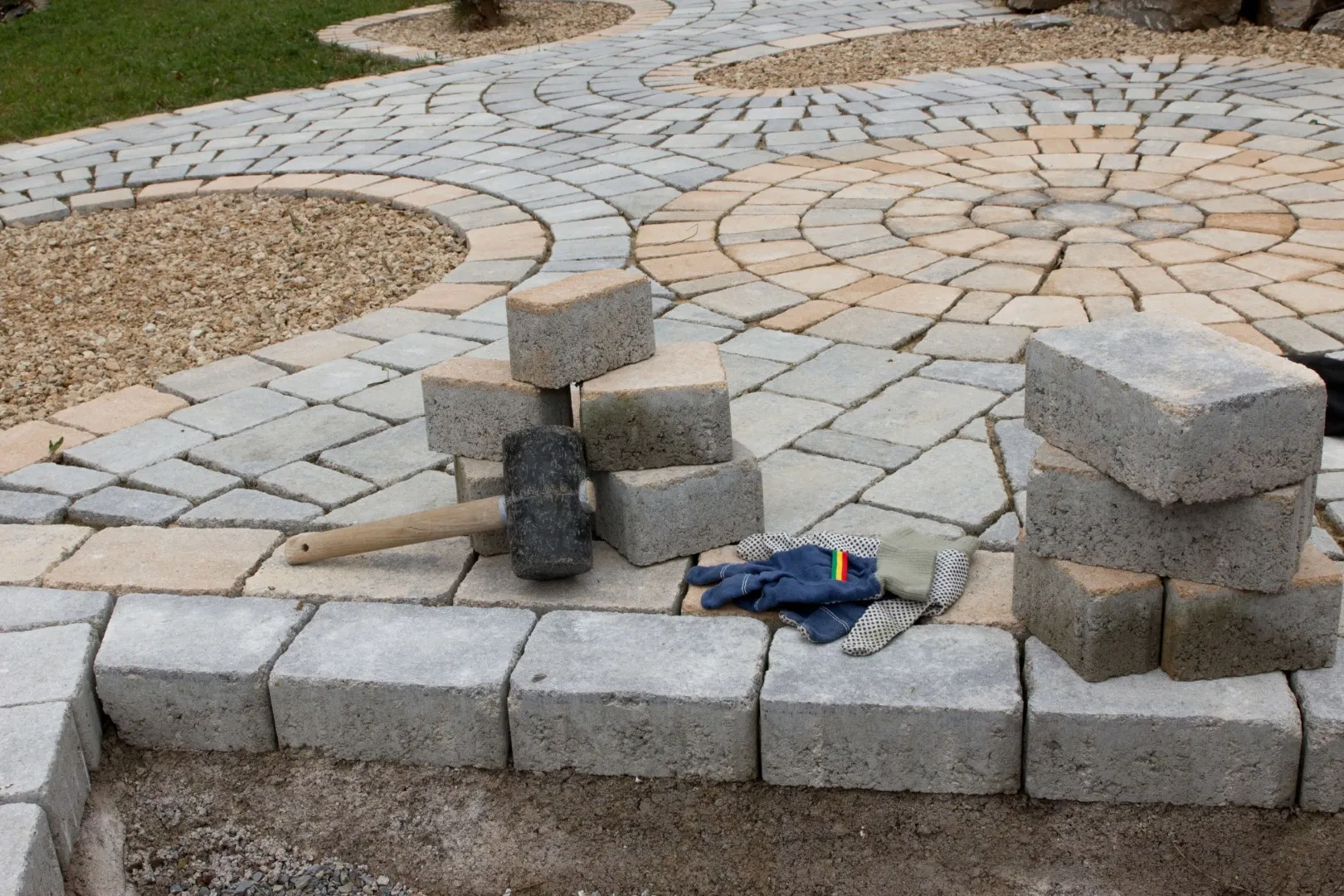
When you’re deciding between crushed stone, gravel, and decorative stone, it helps to keep their core strengths in mind. Crushed stone is our go-to for anything that needs a stable, heavy-duty foundation. Gravel shines when drainage is the priority. And decorative stone is what we reach for when the goal is curb appeal without sacrificing function. Here’s a quick rundown:
Once you know these differences, it’s a lot easier to pick the right material for your project.
Selecting the Right Material
Choosing the right aggregate comes down to what your project actually needs, both functionally and visually. We always factor in the local climate, how the area will be used, and what’s already in place around your property. Sometimes the best answer is a mix of materials rather than just one.
How Do You Identify Different Types and Grades of Crushed Stone?
Knowing your crushed stone sizes and grades makes a real difference in how well your project turns out. We typically use 3/4 inch stone for driveways, 1-1/2 inch for drainage work, and finer grades for concrete production. Each size does a different job, so it shapes how we prep the ground underneath.
Understanding how each type performs also helps us calculate exactly how much stone you need, which keeps your project safe, effective, and cost-efficient.
What Varieties of Gravel Should You Know About?
If you’re considering gravel for your next project, it helps to know your options. Here are a few of the most common types we work with:
Pea Gravel: Small, rounded stones that look great in decorative applications and pathways.
Crushed Gravel: Has sharper edges, which makes it a better fit for compacted surfaces and driveways.
River Rock: Smooth, rounded stones that add a natural touch to gardens and ponds.
Each of these brings something a little different to the table, so we can match the right gravel to your landscape and what you’re trying to achieve.
Which Stone Is Best for Your Project: Driveways, Drainage, or Aesthetic Landscaping?
Picking the right stone really comes down to understanding what each one does best. For driveways, we lean on crushed stone because it holds up under heavy traffic. Gravel, on the other hand, is our pick for drainage work since it lets water flow through instead of pooling up.
When it’s about looks, decorative stone gives you the visual impact without sacrificing performance. The right call depends on your project’s needs and how each material can help you get there.
Why Choose Crushed Stone Over Gravel for Your Driveway?
We recommend crushed stone for driveways because it compacts so well. That compaction creates a stable surface that can handle heavier loads without shifting or sinking. Crushed stone’s angular shape locks together in a way rounded gravel just can’t match, which means better stability, a longer lifespan, and less maintenance down the road.
How Does Decorative Stone Enhance Your Outdoor Spaces?
Decorative stone brings a lot to outdoor spaces — it’s versatile and it looks great. Using it in garden beds or along pathways adds visual interest and ties your outdoor space together. On top of that, it helps manage weeds and prevent soil erosion, making it a smart addition to almost any landscaping design.
How to Choose the Right Stone for Drainage and Other Functional Uses?
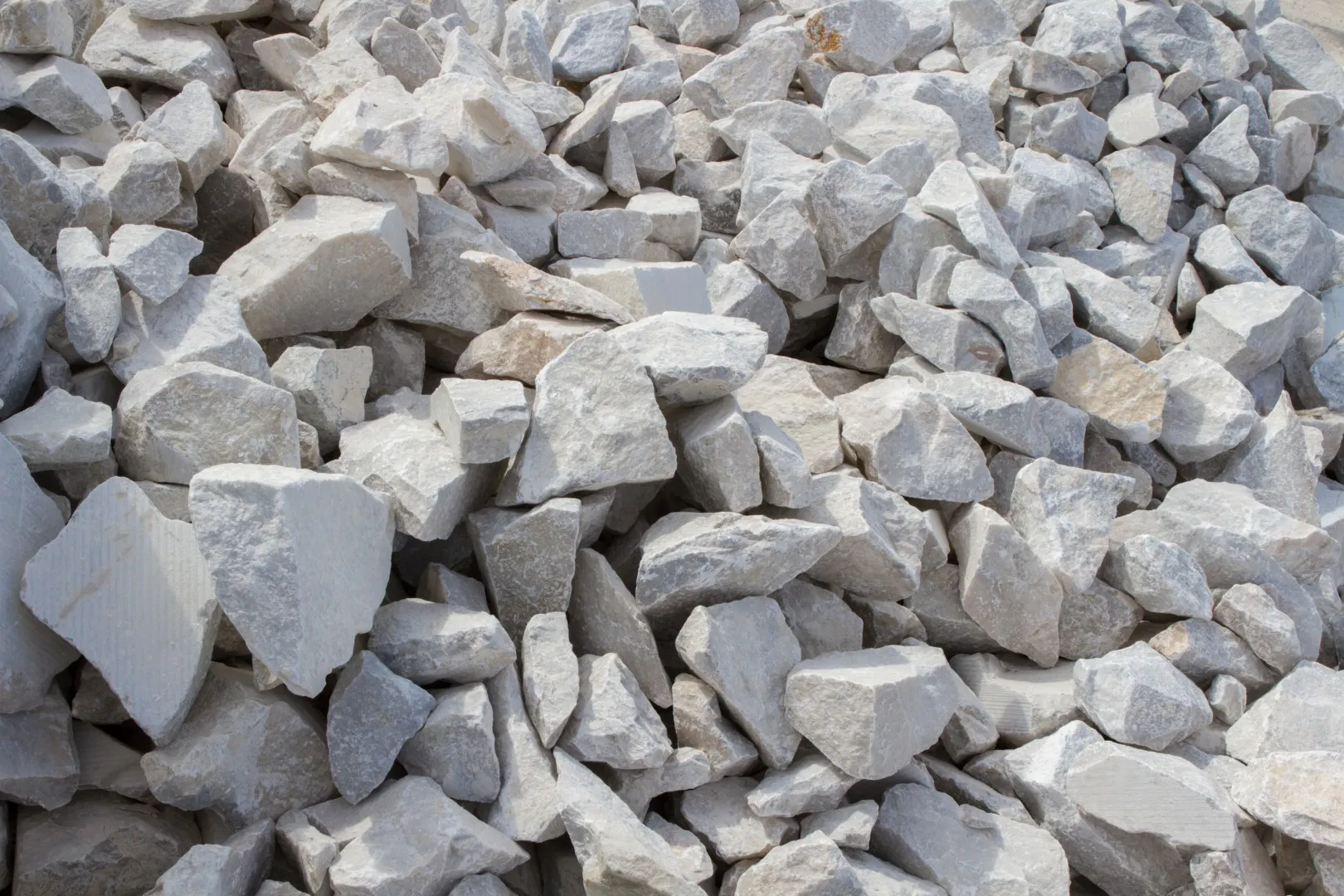
Picking the right stone for drainage has a real impact on how well water moves around your property. Permeability, stone size, and our local climate all factor into which option makes the most sense.
What Makes a Stone the Best Choice for Drainage Projects?
Good drainage comes down to using materials that let water flow through without clogging up. We typically recommend crushed stone or gravel for this — their size and shape keep compaction and pooling to a minimum.
Can Gravel or Crushed Stone Improve Your Property’s Water Flow?
Both gravel and crushed stone can improve how water moves across your property when they’re installed correctly. Either material can help direct water away from your home or other structures, cutting down on flooding and erosion. We always make sure to grade a slight slope away from buildings and build in proper drainage paths — that’s what makes these materials work as well as they do.
Where and How Can You Get Quality Stone Delivered in the New Hampshire Lakes Region?
Finding a supplier you can trust matters just as much as picking the right stone. Here in the New Hampshire Lakes Region, quality materials make all the difference in how your project turns out.
Why Work with Local Suppliers Like Groundhog North for Your Stone Needs?
Working with a local supplier like us comes with real advantages. We know the soil types and conditions around the Lakes Region inside and out, so we can point you toward the materials that’ll actually work for your property. We also offer competitive pricing and quicker delivery, which keeps your project moving. Serving this community isn’t just business for us — it’s where we live and work, too.
What Should You Know About Pricing and Delivery Options?
Pricing for stone and gravel depends on a few things — quality, type, and what’s happening in the local market. It’s worth comparing suppliers in the Lakes Region to make sure you’re getting a fair deal on crushed stone, gravel, or decorative stone. Don’t forget to factor in delivery costs either, since distance can affect your final price.
Once you know what each material offers and what fits your budget, you’ll be in a great position to make the right call for your project. And if you ever want a hand figuring it out, we’re happy to help.
FAQ
What’s the main difference between crushed stone and gravel?
Crushed stone has angular edges that lock together for stable, durable bases, while gravel features rounded stones that drain better and work well for drainage systems and pathways.
When should I choose decorative stone over gravel or crushed stone?
Choose decorative stone for flower beds, pathways, or focal points where style matters, since it comes in varied colors and sizes while also reducing soil erosion and retaining moisture.
Who can help me pick the right stone for my property?
Groundhog North, located in New Hampton, NH, brings 30 years of experience selecting the right stone for local properties and projects.
Conclusion
In the end, it all comes down to what your project needs to do—support weight, drain water, or simply look good doing its job. Crushed stone locks in for strength, gravel keeps things moving and draining, and decorative stone brings the finishing touch your landscape deserves. Not sure which fits your space? Stop by our Groundhog North yard in New Hampton, walk the piles, and let’s talk through your project together.
