
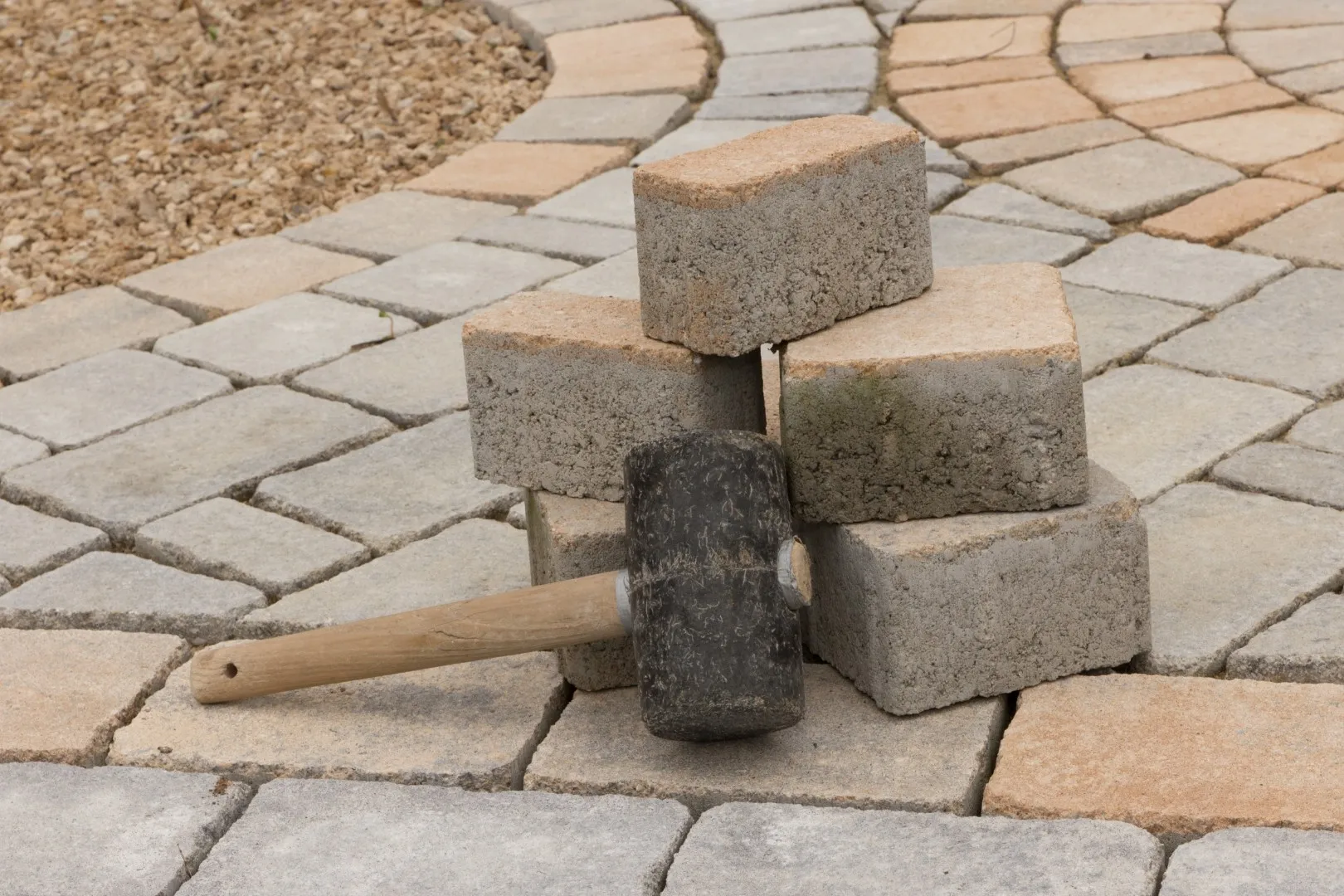
Every fall, homeowners here in the Lakes Region ask us the same question: is it too late in the year to put in a new patio or walkway? For permeable concrete pavers, our answer is simple — fall is a great time to do it, as long as you plan around the weather. Cooler days and the occasional cold snap do change how we approach a project, but with the right base prep and installation habits, a fall paver job holds up just as well as one we’d do in July.
In this guide, we’ll walk you through the temperatures we watch for, the base materials we trust once it gets chilly, how we make sure everything settles properly, and the upkeep that keeps a permeable paver patio or walkway looking sharp all winter. Whether you’re planning a new install or just want to take better care of the one you’ve got, we’ve got you covered.
What Are the Ideal Temperature Guidelines for Installing Pavers in Fall?
Temperature is one of the first things we check before we start a fall install — it affects how well the base compacts and how the joint sand locks everything in place. We like to see air temperatures holding steady between 50°F and 70°F before we get going.
How Does Fall Temperature Affect Paver Base and Joint Stability?
Temperature plays a big role in how well a paver base compacts and how the joint sand sets up. When it’s colder out, moisture in the base material behaves differently, and joint sand can take longer to settle in tight. If temps drop too low during install, you risk an uneven base or joints that don’t lock the pavers together the way they should.
What Is the Safe Temperature Range to Install Pavers During Fall?
We treat 50°F to 65°F as our safe zone for a fall install. When it dips below that, we adjust — working in smaller sections, keeping base materials dry and covered, and timing our joint sand work for the warmest part of the day. We also watch wind chill, since a cold breeze can slow things down more than the air temperature alone suggests.
Which Paver Materials and Base Additives Work Best for Cold Weather Installation?
The right base material and joint sand make all the difference in a cold-weather install. We lean on products built to perform when temperatures drop so your patio or walkway sets up strong no matter what the calendar says.
What Base Materials Improve Stability in Cool Fall Conditions?
For cooler weather, we favor a well-graded, open-graded aggregate base — it’s what makes permeable pavers work in the first place, letting water drain straight through instead of pooling on the surface. In fall, we pay extra attention to compaction, since a properly compacted base is what keeps pavers from shifting once the ground starts its seasonal freeze-thaw cycle.
How Do Cold Weather Techniques Help Joint Sand Set in Fall Temperatures?
Polymeric joint sand needs a little extra care once it’s cold out. We make sure the pavers are dry before sweeping in sand, work in smaller batches, and activate it with water while temperatures are still in a workable range. Getting this step right is what keeps the joints locked tight and the whole surface stable through the fall and into winter.
We’re a New Hampshire-based design-build and hardscaping company, and cold-weather installation habits like these are exactly what we rely on to get great results on fall paver projects.
What Are Key Fall Installation Tips to Prevent Shifting or Settling?
Getting the base and joints right up front is what keeps a new patio or walkway from shifting or settling unevenly later on. Here are the practices we count on to protect a fresh install from everything fall weather can throw at it.
How Should You Protect a Paver Base from Cold Weather During Installation?
We keep base materials covered and dry until we’re ready to use them, and we avoid compacting a base that’s gotten wet and then partially frozen — that’s a recipe for an uneven surface down the road. Working in sections and staying ahead of overnight temperature drops helps us keep the base solid from start to finish.
How Long Should Pavers Settle in the Fall Before Use?
Generally, we like to give a new paver patio or walkway a few days to fully settle before it sees regular foot traffic, though that can shift depending on temperature and soil conditions. In colder weather, we usually recommend waiting closer to a week so the base has time to firm up completely.
How Can You Maintain and Care for Permeable Paver Patios and Walkways in Fall?
Taking care of your permeable paver patio or walkway in the fall goes a long way toward protecting your investment. A little seasonal upkeep helps head off problems before temperatures start swinging.
What Seasonal Maintenance Steps Help Extend Paver Durability?
We recommend clearing off leaves and debris regularly, since built-up organic matter can clog the joints and slow down drainage — the whole point of a permeable system. It’s also worth topping off joint sand where it’s washed out or worn thin, and checking for any pavers that have shifted so we can reset them before winter really sets in.
Are There Best Practices Affecting Fall Paver Installation Projects?
Here in New Hampshire, best practices govern how a paver installation project is handled, especially for stormwater management and drainage requirements — which is exactly where permeable pavers tend to shine. We always make sure we’re up to speed on these rules so your project stays compliant and performs the way it’s supposed to.
By keeping these guidelines in mind and respecting what fall weather can throw at you, we can help you install a permeable paver patio or walkway that holds up for years to come.
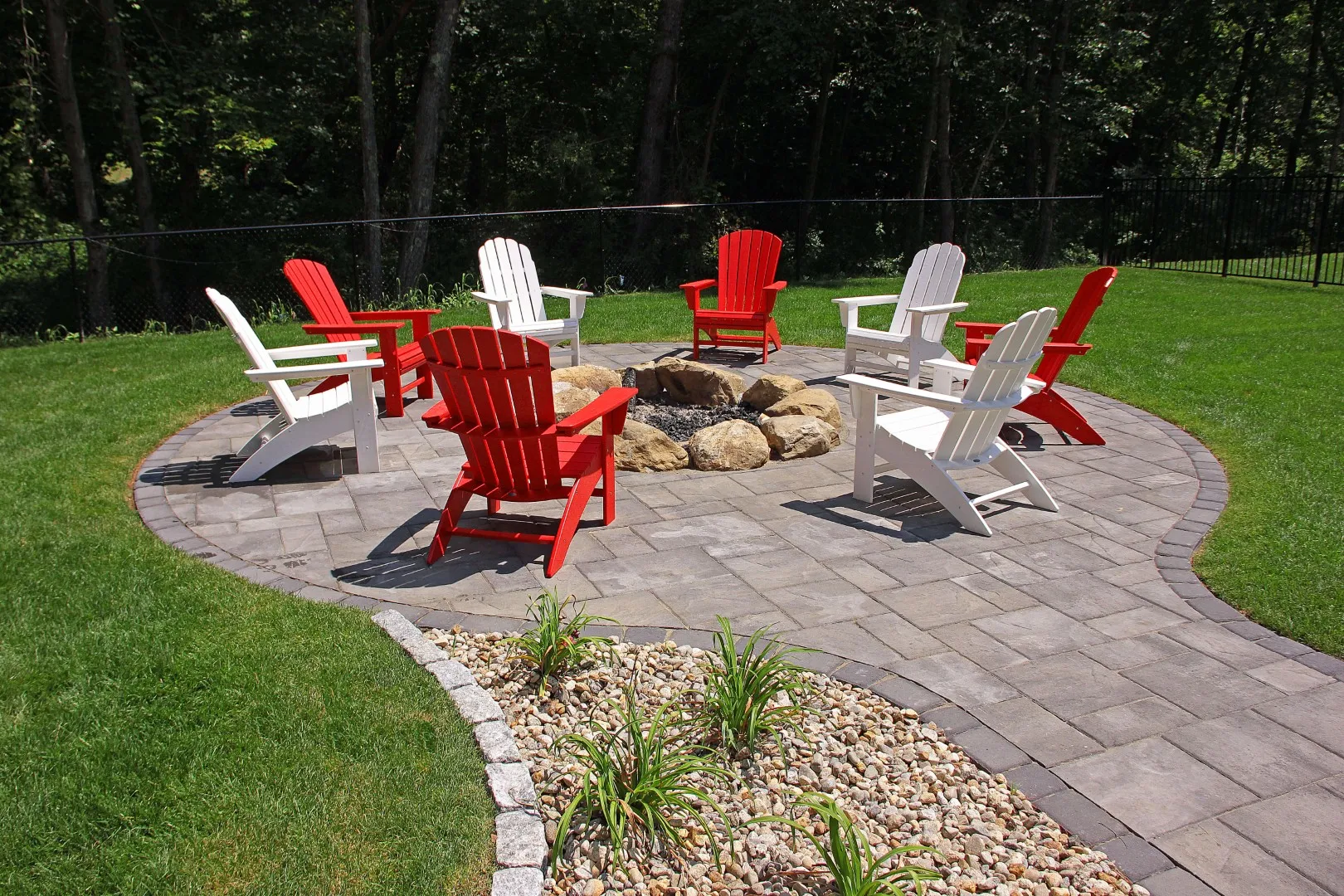
FAQ
Is fall a good time to install permeable concrete pavers for patios and walkways?
Yes, fall works well for installing permeable concrete pavers as long as you plan around the weather. Cooler temps and shifting conditions add some challenges, but with the right base prep, you still get a great result.
What temperature range is ideal for installing pavers in fall?
Air temperatures holding steady between 50°F and 70°F are ideal for a fall install. We treat 50°F to 65°F as our safe zone, adjusting our approach and timing below that range.
How is a paver base protected during fall installation?
We keep base materials covered and dry, avoid compacting a base that’s gotten wet and partially frozen, and work in sections to stay ahead of overnight temperature drops. This keeps the base solid and the surface stable once it’s in place.
Conclusion
Fall isn’t just a fallback season for a new patio or walkway — it’s often the smarter choice. Cooler temps, steady ground moisture, and a slower project schedule all work in your favor when you’re putting in permeable concrete pavers. If you’re weighing your options for a project this season, our hardscaping team in New Hampton is happy to walk through what makes sense for your yard, your timeline, and your budget. Good planning now means you’re enjoying that new space well before next year’s get-togethers roll around.
