
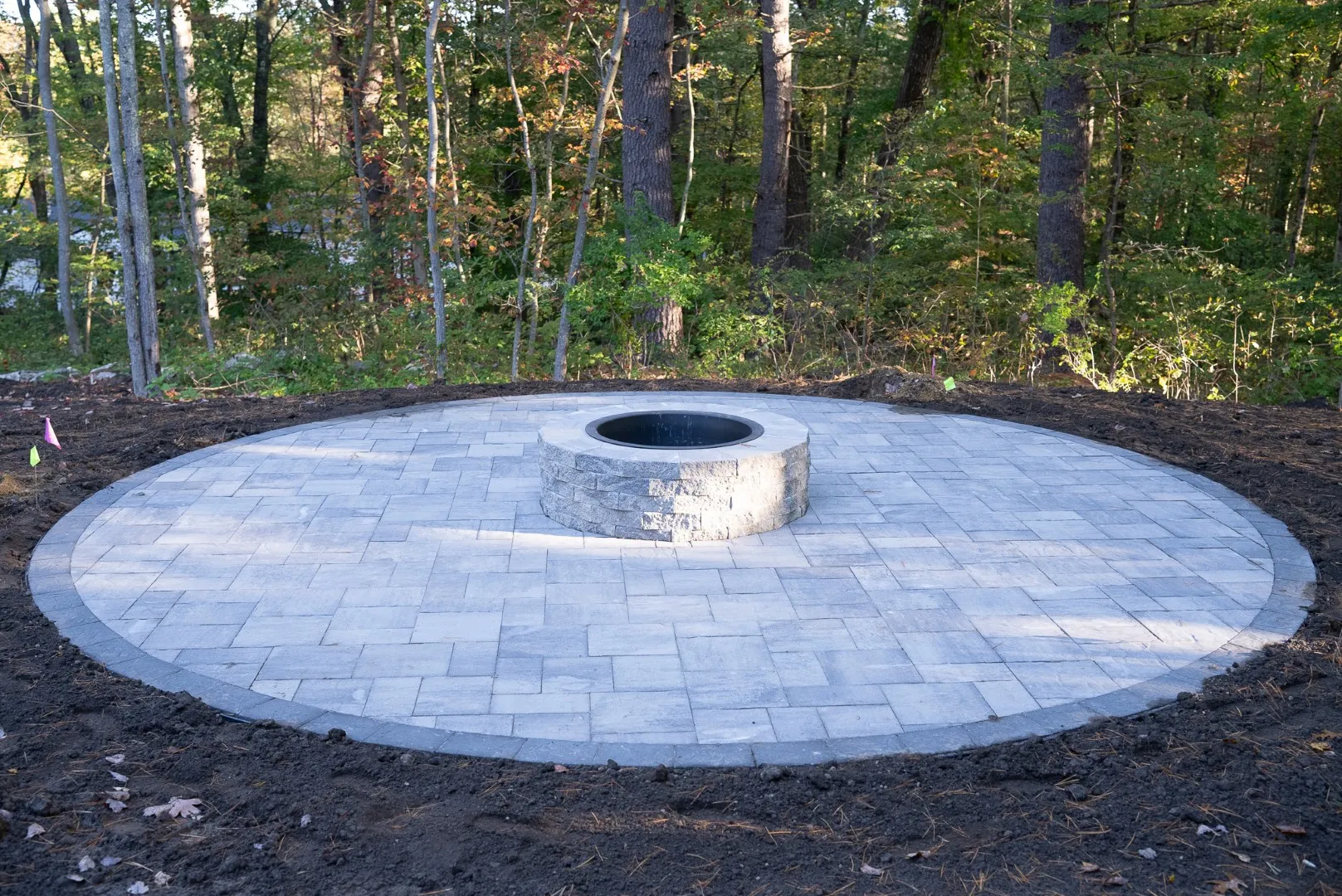
Paver patios are a favorite here in New Hampshire — they look great and hold up to daily life. But our New England winters put them through a real test. Understanding how freeze-thaw cycles work, and choosing the right materials, makes all the difference in how long your patio lasts. In this guide, we’ll walk you through how freeze-thaw cycles affect patio materials, the installation practices we rely on, and the maintenance habits that keep patios looking good year after year. We’ll also cover which materials stand up best to harsh New Hampshire winters and how to catch freeze-thaw damage before it gets worse. By the end, you’ll know exactly what it takes to keep your paver patio in great shape through our region’s tough climate.
Key Takeaways
Groundhog North installs paver patios with a compacted gravel base that drains water away from frozen soil.
Our 30 years of Lakes Region experience shapes every base design to resist New Hampshire’s freeze-thaw heaving.
Polymeric sand joints we use lock pavers together, preventing shifting during winter’s repeated freeze-thaw cycles.
Individual pavers flex independently under frost pressure, unlike solid concrete slabs that crack and buckle.
What Are Freeze-Thaw Cycles and Why Do They Matter for Paver Patios?
Freeze-thaw cycles happen when moisture trapped in the soil and materials beneath your patio repeatedly freezes and thaws. When temperatures drop, that water freezes and expands; when things warm back up, it thaws and contracts. Over a whole winter, this back-and-forth can crack pavers and shift them out of place, weakening your patio’s structure. We think it’s worth understanding this process early on, since it shapes almost every decision we make about materials and installation.
How Do Freeze-Thaw Cycles Affect Patio Materials and Structure?
The materials you choose make a big difference in how well your patio handles freeze-thaw cycles. Concrete pavers, for example, can suffer from spalling — flaking or crumbling — after repeated exposure to freezing temperatures and moisture. Some materials are more porous than others, which means they soak up water that then freezes and expands inside the paver itself. Once that starts happening, it can set off a chain reaction across the whole patio, leaving you with uneven surfaces and tripping hazards.
What Challenges Do New Hampshire Winters Present for Outdoor Hardscapes?
New Hampshire winters are tough on outdoor hardscapes. Ice melt products, while helpful for safety, can wear down pavers that aren’t built to handle harsh chemicals. Add in the weight of snow piling up and the way frost heave pushes the ground around, and you’ve got a recipe for shifted, uneven pavers. That’s why we help homeowners pick materials and designs built to stand up to all of this.
Here’s something worth knowing: some of the same products you use to melt ice can actually damage your patio over time.
How Winter De-icers Can Hurt Your Pavers
Deicers can damage patio pavers in a few ways. They cause physical wear like salt scaling on the surface, they react chemically with the cement in the pavers (especially products with magnesium chloride or calcium chloride), and they can speed up other reactions happening inside the material. In short, the salt that keeps you from slipping can slowly eat away at your patio if you’re not careful about which products you use.
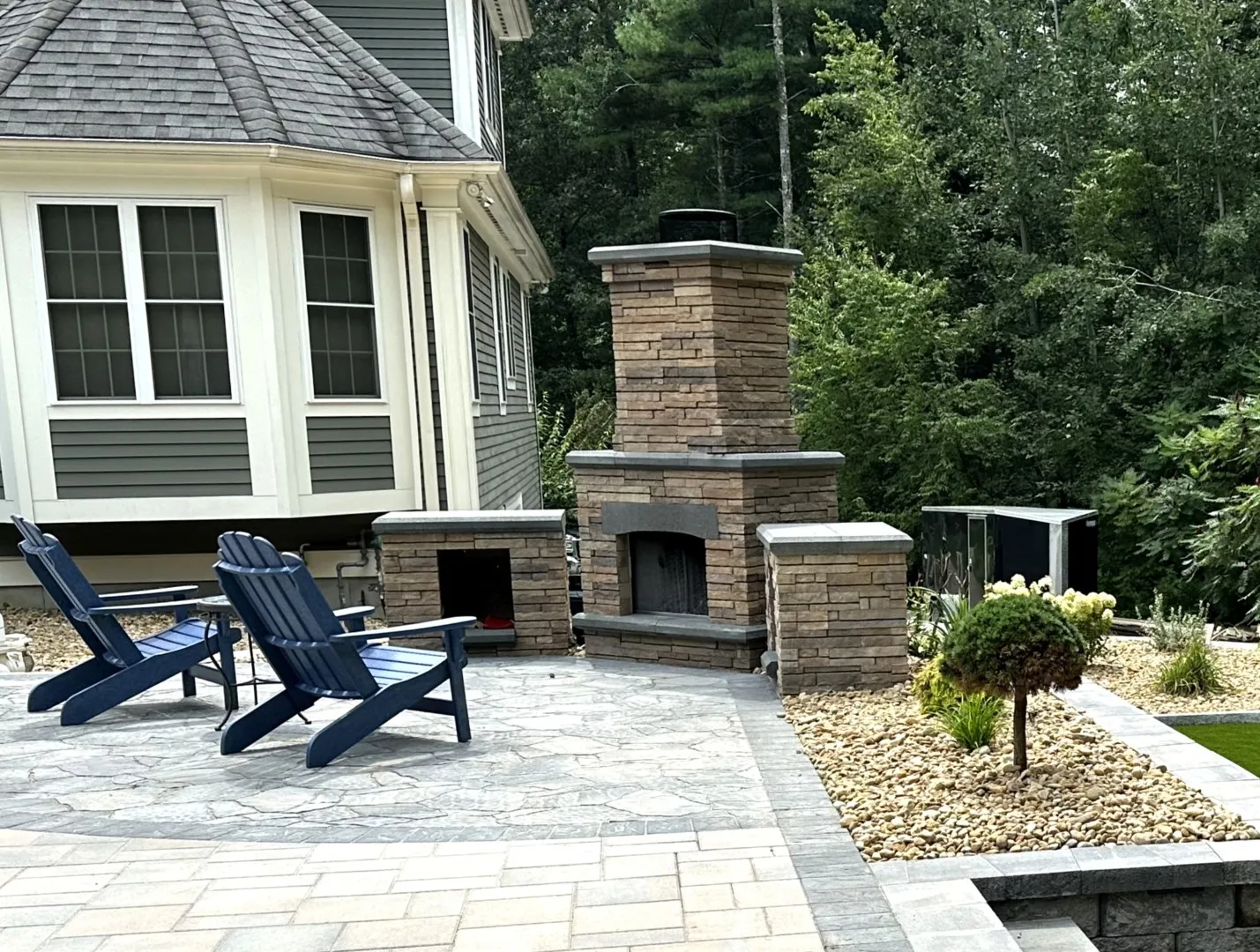
Which Materials Are Best for Building Freeze-Thaw Resistant Paver Patios in New Hampshire?
When you’re picking materials for a paver patio, freeze-thaw resistance should be top of mind. Here’s what we recommend:
Permeable Concrete Pavers: These let water drain through efficiently, so there’s less moisture sitting around to freeze and cause damage.
Natural Stone Pavers: Tough, good-looking, and built to last — natural stone can hold up for 50+ years with the right care.
Clay Pavers: High-fired clay pavers generally handle freezing well and stand up to heavy snow and ice, though quality varies by product.
We’re happy to walk you through your options and help you pick the right material for your property.
How Does Proper Installation Prevent Freeze-Thaw Damage to Paver Patios?
Good installation is your best defense against freeze-thaw damage. It starts with solid site prep — a strong base layer keeps everything from shifting and settling over time. We use a permeable base to keep water draining properly instead of pooling under the patio, and we space pavers so they have room to expand without cracking or buckling.
These are the installation techniques we rely on every day, and we’re always happy to answer questions about how we’ll build your patio to handle New Hampshire winters.
What Base Preparation Techniques Protect Against Frost Heave?
Getting the base right is key to protecting your patio from frost heave. Here’s what we focus on:
Depth Requirements: We build the base deep enough — usually 6-12 inches — to keep things from shifting.
Material Selection: We use well-draining materials like crushed stone or gravel so water can escape instead of freezing in place.
Proper Sloping: A slight slope away from your house or other structures keeps water moving away from the patio instead of collecting underneath it.
These steps go a long way toward cutting down freeze-thaw damage.
Why Is Drainage Design Crucial for Patio Longevity in Harsh Winters?
Good drainage is one of the biggest factors in how long your patio lasts through our winters. When water can’t drain properly, it sits, freezes, and expands — and that’s bad news for both the pavers and everything underneath them. Here’s what we pay attention to:
Drainage Layers: We install layers designed to carry excess moisture away from the pavers.
Joint Material: We use joint materials that drain well, so joints don’t clog and trap water.
Getting this right means water doesn’t build up in the wrong places, which keeps your patio solid for years.
What Maintenance and Repair Tips Help Your Paver Patio Survive New Hampshire Winters?
Here’s how we recommend caring for your paver patio through the winter months:
Regular Cleaning: Clear off debris so water can drain properly instead of pooling.
Damage Repair: Fix cracks or shifted pavers as soon as you spot them — catching problems early saves you from bigger repairs down the road.
Inspection Schedules: Walk your patio each fall and spring to check for freeze-thaw damage or shifting.
Stick with these habits and your paver patio will keep looking and performing great, no matter the season.
How Can You Detect and Fix Freeze-Thaw Damage Early?
Catching freeze-thaw damage early starts with knowing what to look for:
Cracking or Chipping: Any visible damage on the paver surface can point to a bigger problem underneath.
Uneven Surfaces: Shifted pavers or low spots are usually a sign of frost heave.
Excessive Joint Material Loss: If the sand or joint material between pavers looks eroded, water may be getting in where it shouldn’t.
If you catch any of these signs, re-stabilizing the shifted pavers and refilling the joint material quickly can stop the damage from spreading.
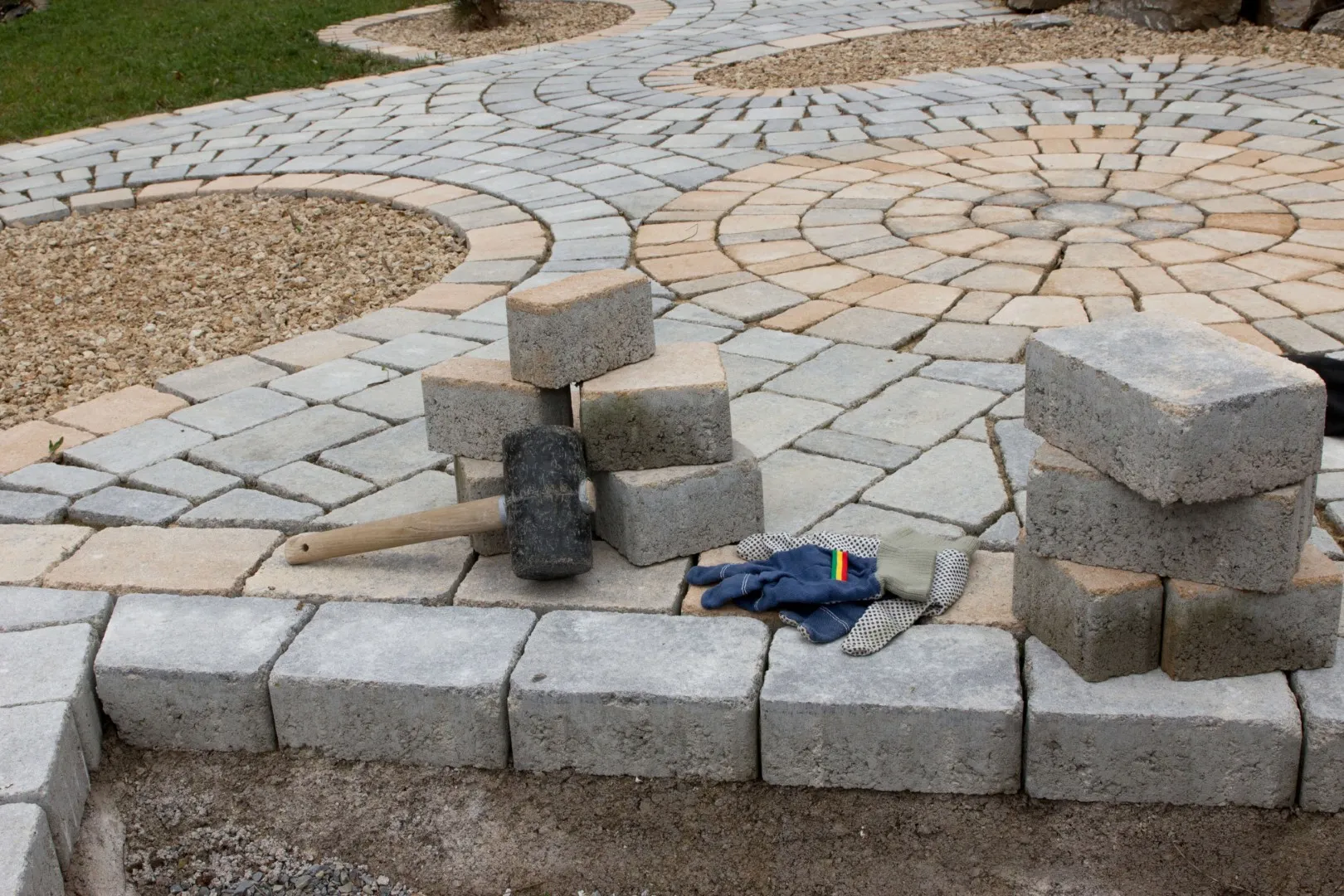
What Seasonal Care Practices Support Patio Durability?
A little seasonal care goes a long way in keeping your patio durable:
Winterization Tips: We recommend applying a protective sealant before winter hits to help shield the surface from ice damage.
Summer Maintenance Essentials: Sweep regularly and pressure wash occasionally to keep moisture from building up.
Ongoing Upkeep Techniques: Keep drainage pathways clear year-round, especially after heavy rain or snowmelt.
Follow these practices and your paver patio will stay beautiful and durable through every season we throw at it here in New Hampshire.
FAQ
Why do freeze-thaw cycles damage paver patios?
Trapped moisture beneath the patio freezes and expands, then thaws and contracts as temperatures change. This repeated cycle cracks pavers and shifts them out of place, weakening the patio’s structure over a winter.
Why do pavers handle frost better than concrete slabs?
Individual pavers flex independently under frost pressure instead of holding rigid like one piece. Solid concrete slabs lack that flexibility, so they crack and buckle under the same freeze-thaw pressure.
Do ice melt products damage paver patios?
Yes, deicers cause salt scaling on the paver surface and react chemically with the cement in the pavers, especially products containing magnesium chloride or calcium chloride. This wear can speed up other damaging reactions inside the material.
Conclusion
In the end, freeze-thaw cycles aren’t something a paver patio has to fear—they’re just part of living in New Hampshire, and the right base, materials, and installation approach handle them with ease. That’s the real value of doing it right the first time: a patio that flexes instead of cracks, drains instead of pools, and keeps looking great winter after winter. Curious how your yard’s soil and layout play into all this? We’re always happy to talk it through with you.
