
If you’re dreaming of a lush, green lawn, picking the right installation method makes all the difference. In this guide, we’ll walk you through the three main ways to get a new lawn started — hydroseeding, seeding, and sod — and break down what each one means for your cost, your timeline, and your yard’s long-term health. As a team that works hands-on with New Hampshire soil and weather every day, we want to help you make the choice that actually fits your property, not just a generic recommendation. Let’s “dig in” to how each method works, what it costs, and what makes sense for the Lakes Region’s climate and soil.
What Are the Key Differences Between Hydroseeding, Seed Planting, and Sod Installation?
Hydroseeding, seed planting, and sod installation are the three go-to techniques for starting a new lawn, and each one fits different needs. Hydroseeding sprays a mix of seed, mulch, and nutrients right onto your soil, giving it a protective layer while kickstarting fast growth. Traditional seeding means sowing seed directly into the ground, which takes a bit longer to germinate and root in. Sod, on the other hand, is pre-grown grass rolled out onto your yard for instant coverage.
Here’s how they stack up:
Establishment Time: Hydroseeding and sod get you results faster than traditional seeding, which takes longer to fill in.
Cost: Hydroseeding usually lands in the middle price-wise, while sod tends to be the priciest thanks to labor and material costs.
Maintenance Needs: Freshly seeded lawns need more frequent watering early on compared to sod, which settles in relatively fast.
How Does Each Method Work to Establish a New Lawn?
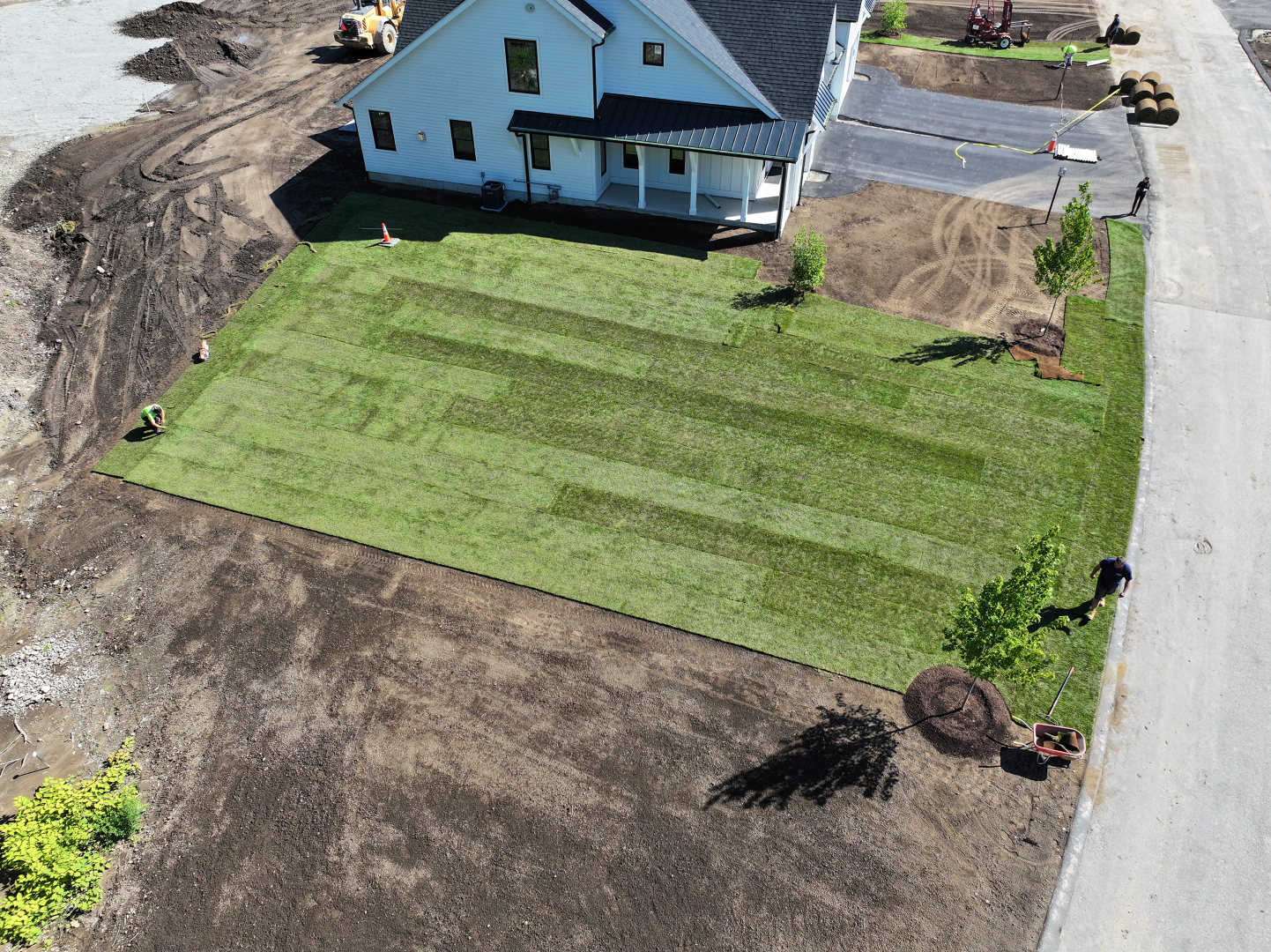
Each method gets you to a new lawn in its own way. With hydroseeding, we mix water, seed, mulch, and fertilizer into a slurry and spray it evenly across your yard. This gives the seed better contact with the soil and shields it from erosion and pests. Traditional seeding involves scattering seed over prepped soil and raking it in, and it needs steady moisture until it sprouts. Sod skips all that — you’re rolling out grass that already has roots, so you get green space right away without babying it with constant watering.
What Are the Cost and Time Factors for Hydroseeding, Seeding, and Sodding?
Knowing what each method costs and how long it takes helps you plan ahead. Here’s a quick comparison:
It really comes down to how much you want to spend upfront versus how soon you want a finished lawn.
Why Consider Hydroseeding? Benefits and Environmental Impact in New Hampshire
Hydroseeding has become a favorite around here in New Hampshire, and it’s easy to see why. It’s budget-friendly and easier on the environment too. This method helps seeds germinate at a higher rate, which means better coverage and stronger erosion prevention for your yard.
What Makes Hydroseeding a Sustainable Choice for Lawn Establishment?
Hydroseeding is a smart, sustainable pick because it makes efficient use of water and materials. We use recycled content in the mulch mix, and since there’s no heavy machinery involved, it keeps the carbon footprint low. We also often work native grasses into the mix, which need less water and upkeep once they’re established.
How Does Hydroseeding Fit the Climate and Soil Conditions in the Lakes Region?
New Hampshire’s Lakes Region has its own quirks when it comes to climate and soil, and hydroseeding handles them well. We tailor our seed mixes to local grass species and soil types, so germination and growth hold up through our region’s unpredictable weather. This approach is built around local soil conditions and manages moisture levels the way this area needs.
If you’re in the New Hampshire Lakes Region and want your new lawn up and growing fast, we’re here to help. Hydroseeding is one of our specialties, and we tailor every job to your yard so you get the results you’re after.
Is Traditional Seed Lawn Installation Right for You? Pros, Cons, and Grass Types
Traditional seeding can be a great fit if you’ve got some patience and aren’t in a rush. It takes longer for seeds to sprout and fill in, but it’s usually the most budget-friendly route. Weighing the pros and cons here will help you figure out if seeding matches what you want for your lawn.
Which Grass Seed Varieties Thrive in New Hampshire’s Climate?
Picking the right grass seed matters a lot for how your lawn turns out. Here in New Hampshire, cool-season grasses like Kentucky Bluegrass, Perennial Ryegrass, and Fine Fescue tend to do best — they handle our cooler temps well and adapt nicely to the local soil.
What Are the Maintenance and Germination Timelines for Seeded Lawns?
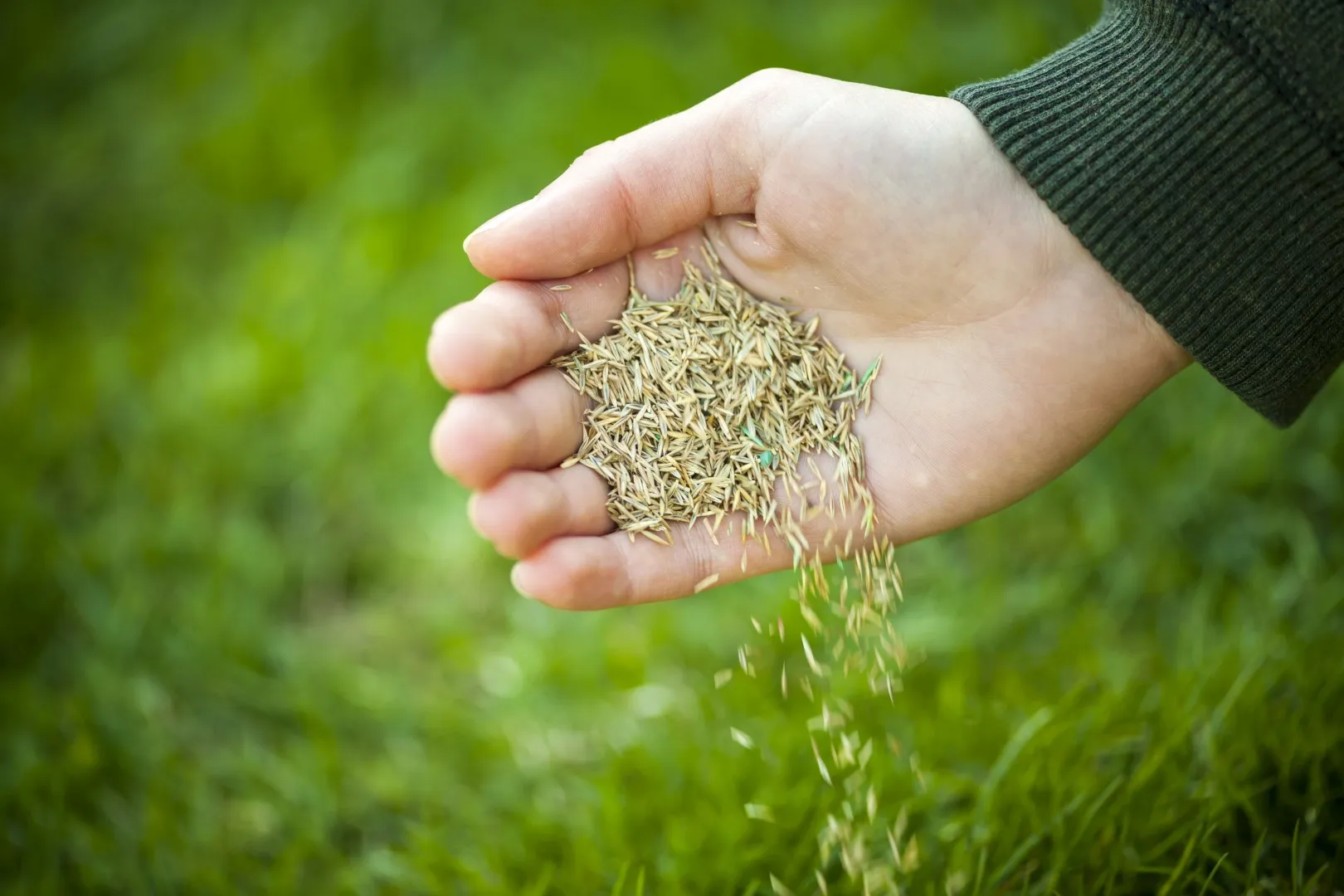
Seeded lawns need a bit more attention in the first few months while they get established. Seeds generally take about 7-14 days to germinate, depending on moisture and temperature, and you’ll want to keep the watering consistent. Ongoing care like regular mowing, fertilizing, and keeping an eye out for weeds all help build a healthy lawn over time.
Does Sod Installation Offer the Best Immediate Results? Cost, Durability, and Process
Sod gives you the instant gratification of a lush, green lawn right after it’s laid down. It’s usually the priciest option, but for a lot of homeowners, getting that finished look fast makes it worth it.
How Long Does Sod Last and What Makes It Durable?
How long your sod lasts really comes down to how it’s installed and cared for afterward. Installed the right way, sod can hold up for years and give you a durable lawn surface. Regular watering, smart mowing habits, and fertilizing all go a long way toward keeping it healthy and extending its life.
What Should You Expect During Sod Installation in Northern Climates?
When we install sod, the process includes prepping the soil, laying it out in staggered rows for a seamless look, and watering it right away. Keeping the sod well-watered for at least the first two weeks is key so the roots can really dig in. Once it’s established, sod needs the same kind of ongoing care as a seeded lawn — mowing and fertilizing included.
